
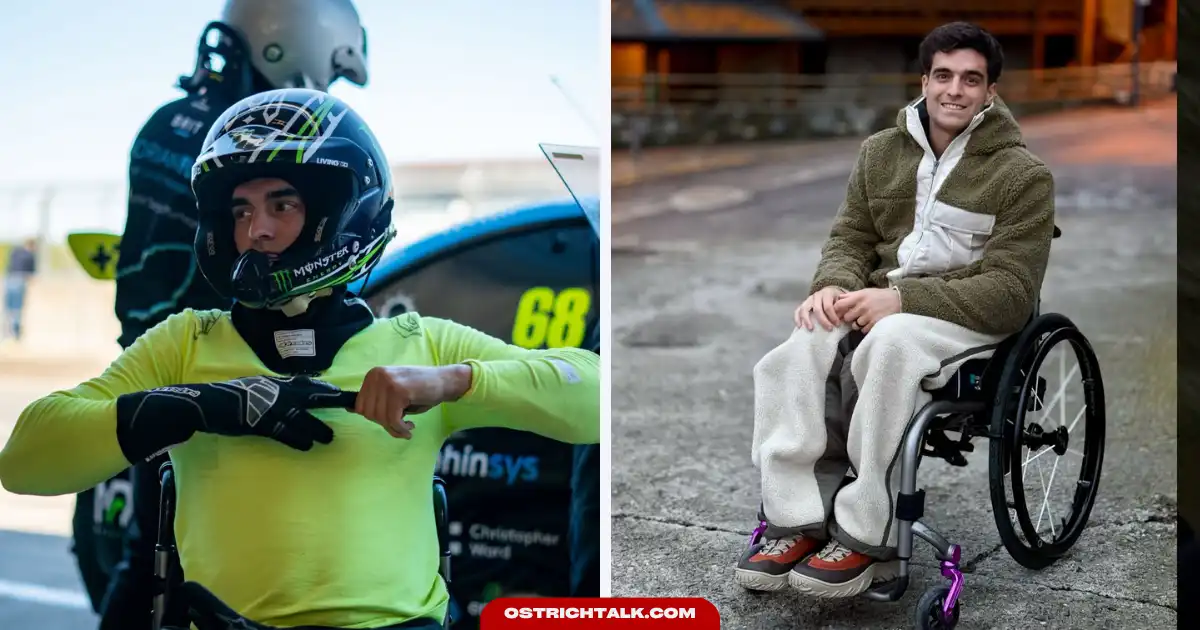
A Spanish athlete jumped off a skyscraper for a film scene in 2015 and changed what audiences thought was possible in live-action cinema. That athlete was Adolf Silva, and the scene appeared in the French action film “The Climb,” known in France as “La Ascension.” Video clips of his performance circulated across the internet and drew millions of views within days of release. Stunt coordinators, film directors, and action cinema fans all asked the same question at once. Who is this person and where did he come from? This article answers that question in full.
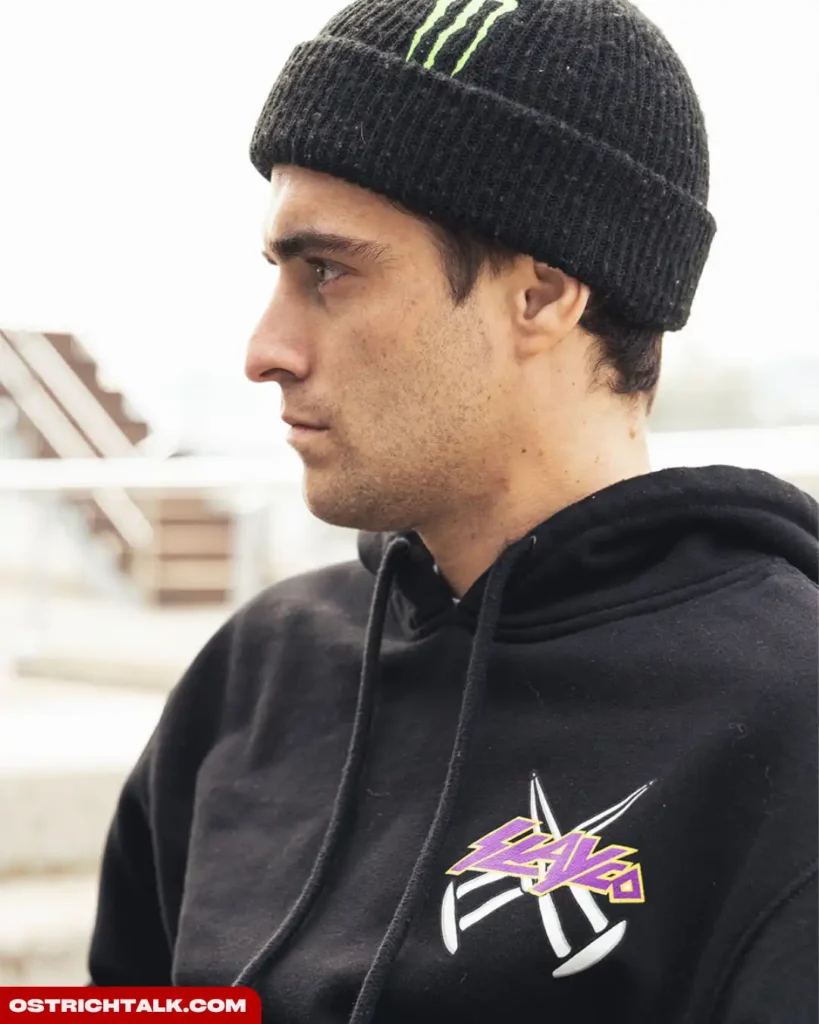
Who Is Adolf Silva and Where Did He Come From?
Adolf Silva was born on October 6, 1993, in Barcelona, Spain. He grew up in a city with a strong street culture and a built environment that freerunners and parkour athletes treat as a natural training ground. Barcelona’s mix of historic architecture, open plazas, and modern urban structures gave Silva an outdoor gym that most athletes never access. He began training in parkour and freerunning as a teenager, drawn to the discipline’s combination of physical demand and creative freedom.
What Is the Difference Between Parkour and Freerunning?
Many people use the two terms interchangeably, but practitioners draw a clear distinction between them. Parkour focuses on moving through an environment as efficiently as possible, finding the most direct path from one point to another using the body alone. Freerunning adds an expressive layer to that foundation. It incorporates flips, spins, and aerial movements that prioritize visual creativity alongside physical efficiency. Adolf Silva built his reputation primarily in freerunning, where his ability to combine technical precision with spectacular aerial work set him apart from peers at an early age.
How Did Silva Develop His Skills as a Young Athlete?
Silva trained with a dedication that his peers and coaches later described as unusual even within a discipline that attracts highly motivated athletes. He did not come from a family with an entertainment or athletics background. His progression came entirely through self-directed practice, community training sessions with other Barcelona freerunners, and a willingness to attempt movements that most athletes his age avoided. Furthermore, he began documenting his training on video platforms at a time when freerunning content was gaining significant online audiences across Europe and North America.
Those early videos established his visual identity before any film or commercial work arrived. Viewers who found his content through YouTube and later Instagram encountered an athlete with a specific style. His movements combined clean technical execution with a creative approach to urban space that made even familiar environments look new. That combination of skill and visual intelligence caught the attention of people working in film and advertising who were actively looking for athletes capable of delivering on-screen what stunt doubles and camera tricks typically had to manufacture artificially.
How Did Adolf Silva Enter the Film Industry?
Silva’s transition from street athlete to professional film performer followed a path that few freerunners have successfully navigated. The gap between athletic skill and screen performance is wide. Many exceptional athletes struggle to translate their physical abilities into the specific demands of a film set, where lighting, camera angles, continuity, and director communication all impose constraints that open-air training never prepares you for. Silva managed that transition in a way that impressed both the athletic and film communities simultaneously.
What Was “The Climb” and Why Did It Matter for His Career?
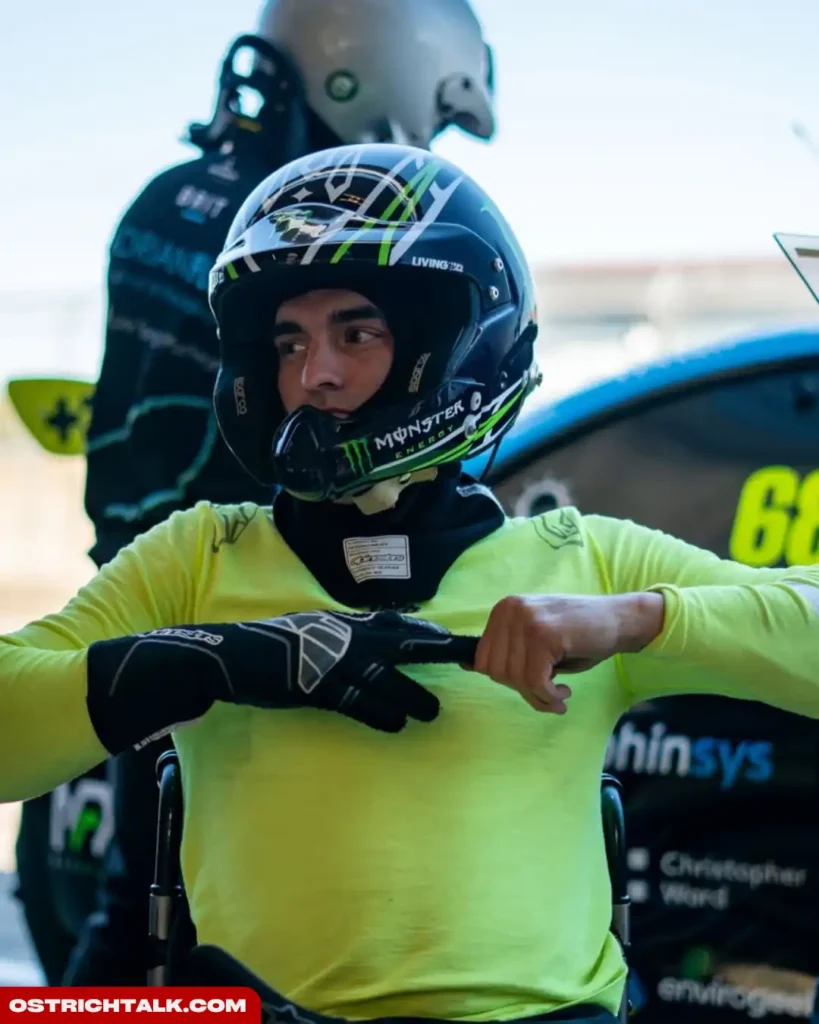
“The Climb,” released in France in 2015 and titled “La Ascension,” gave Silva his first major film role and the sequence that established his international reputation. The film’s climactic scene required Silva’s character to climb and leap across the exterior of a genuine skyscraper in a sequence that the production chose to execute practically rather than through digital effects. That decision placed enormous physical and psychological demands on Silva.
According to interviews Silva gave to European sports and film media following the film’s release, the preparation for that sequence involved months of specific training designed to build comfort with extreme heights alongside the technical requirements of the movements themselves. The result was a sequence that film critics and action cinema specialists immediately recognized as a genuine achievement. Furthermore, the sequence’s practical execution gave it a visual authenticity that audiences respond to differently than digitally composited action. The knowledge that a real person performed the movements in a real location changes the emotional register of what viewers experience.
How Did “The Climb” Sequence Spread Online?
Clips from “The Climb” spread rapidly through social media platforms and action cinema fan communities in the months following the film’s French release. The freerunning and parkour communities shared the footage extensively, recognizing Silva’s work as a landmark in the discipline’s crossover into mainstream cinema. Action film enthusiasts shared it alongside similar discussion about practical stunt work in films like “Mad Max: Fury Road” and the Mission: Impossible series.
That organic spread gave Silva a global profile that a traditionally marketed debut film could rarely produce. By the time “The Climb” reached wider international distribution, Silva already had an established reputation among the online communities most likely to seek out action cinema. Consequently, his subsequent projects arrived with a pre-built audience of people who already understood and appreciated what he brought to a screen.
What Makes Adolf Silva’s Movement Style Distinctive?
Every elite freerunner develops a personal movement vocabulary that reflects their physical strengths, creative sensibilities, and training history. Silva’s style draws consistent attention from specialists and casual viewers alike because it combines qualities that rarely appear together in a single performer. Understanding what makes his movement distinctive requires looking at several elements separately before considering how they work together.
How Does Silva Approach Technical Precision?
Precision in freerunning refers to the ability to land exactly where you intend, control momentum through a sequence of movements, and maintain body position under conditions of significant physical stress. Silva’s technical precision consistently draws comment from coaches and fellow athletes who analyze his work. His landings show the kind of controlled absorption that only comes from thousands of repetitions. His body position in aerial movements reflects a spatial awareness that allows him to make micro-adjustments during a movement that most athletes cannot access consciously.
That precision matters enormously for film work. A stunt performer who cannot guarantee precise execution on a specific mark creates safety problems and continuity issues that slow production and increase costs. Silva’s ability to reproduce movements consistently across multiple takes gave film directors a level of reliability that experienced stunt coordinators noted explicitly in their public comments about working with him.
What Distinguishes Silva’s Creative Approach to Urban Space?
Beyond technical precision, Silva brings a creative intelligence to his relationship with built environments that separates him from athletes who are equally skilled physically. He reads a location differently than most people do. A wall, a ledge, a gap between buildings, or a sloped surface presents him with movement possibilities that he evaluates and combines in ways that transform familiar urban spaces into something visually unexpected.
That creative reading of space shows clearly in his training videos. He often approaches a location multiple times before committing to a line, testing possibilities and considering how a sequence of movements will look and feel from both the performer’s and the viewer’s perspective simultaneously. Moreover, this dual awareness of experience and presentation is unusual in pure athletics and points toward the film sensibility that made his transition to professional screen work so natural.
What Projects Has Adolf Silva Worked on Beyond “The Climb”?
Silva’s career after “The Climb” developed across film, commercial work, and live performance. His international profile opened doors in the European and global film industries that his Spanish origins alone would not have unlocked. Directors and producers working on action projects sought him out specifically for his ability to deliver practical athletic performance that the camera could capture without significant digital enhancement.
What Commercial Work Has Silva Done?
Silva has worked with major global brands on advertising campaigns that require athletic performance at the highest level. Commercial work of this kind serves multiple career functions simultaneously. It generates income that supports continued training and development. It also exposes an athlete to large mainstream audiences who may not seek out action cinema or freerunning content independently.
His commercial projects have included campaigns for sportswear and automotive brands that used his movement abilities as the central visual element of their advertising. According to reports in European sports marketing publications, brands seeking authentic athletic credibility increasingly look for performers like Silva who bring genuine skill rather than the performed athleticism of traditional celebrity endorsement. Furthermore, his visual distinctiveness, the combination of physical ability and creative movement intelligence, gives brand content a quality that trained actors performing simplified movement cannot replicate.
Has Silva Appeared in Other Films After “The Climb”?
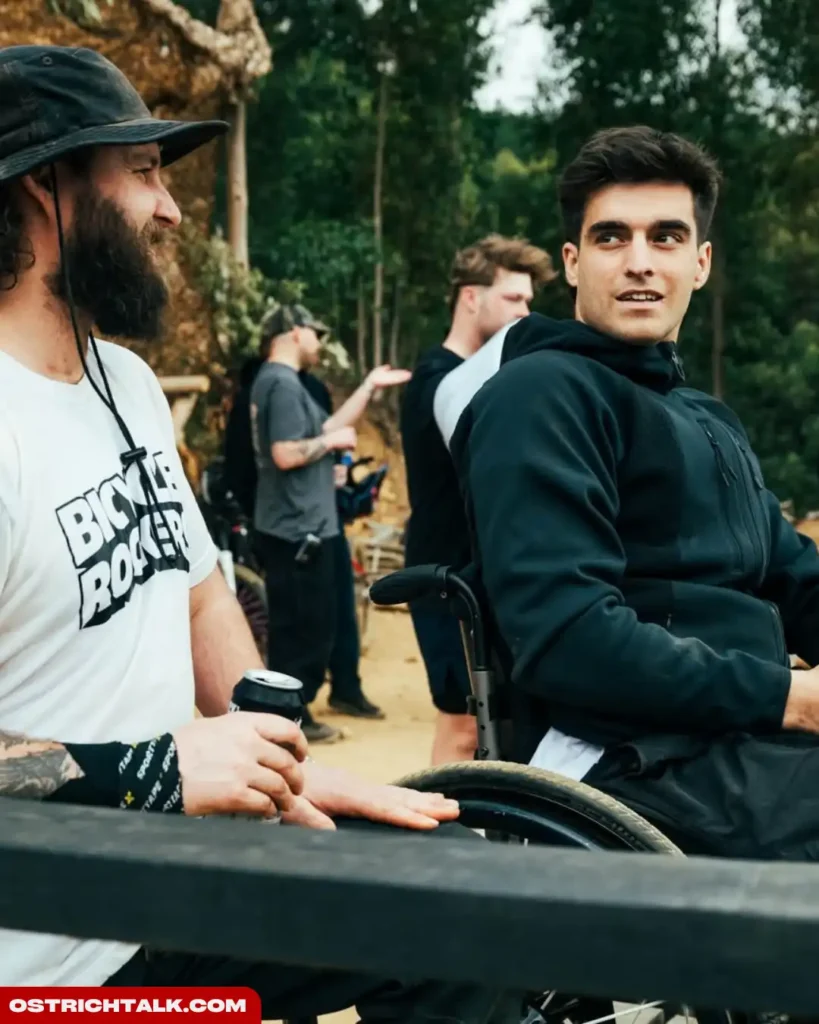
Silva continued developing his film career after “The Climb” with projects that built on his established reputation while extending his range as a screen performer. His work has included both European productions and projects with international distribution that reached audiences in North America and Asia. Each project added to a professional record that positions him as a performer with genuine acting ambitions alongside his athletic credentials.
The action cinema landscape of the mid-2010s and 2020s placed increasing value on performers who bring authentic physical skills to roles rather than relying on stunt doubles for the demanding sequences. Silva’s profile fits that market precisely. Directors who want to shoot action practically rather than digitally need performers who can deliver athletically. Additionally, producers seeking the credibility signal of practical stunt work benefit from working with athletes like Silva whose skills are visually verifiable to informed audiences.
How Does Adolf Silva Train and Maintain His Athletic Level?
Elite freerunning performance requires a training approach that addresses multiple physical qualities simultaneously. Raw strength, explosive power, spatial awareness, flexibility, and the specific neuromuscular skills that allow precise movement control all need continuous development. Silva has discussed his training philosophy in interviews with European sports media and freerunning publications, providing insight into the methodology behind his performance level.
What Does Silva’s Physical Training Involve?
Silva’s training combines freerunning-specific practice with supplementary physical conditioning that addresses the strength and power demands of high-level performance. His conditioning work includes gymnastics-influenced strength training that develops the body control needed for aerial movements. It also includes plyometric work that builds the explosive power necessary for the jumps and vaults that define his movement vocabulary.
Injury prevention forms a significant part of his training philosophy. Freerunning places substantial stress on joints, connective tissue, and the musculoskeletal system generally. Athletes who train without adequate attention to recovery and injury prevention accumulate damage that ends careers prematurely. Silva has spoken about the importance of managing training load, prioritizing recovery, and developing the physical resilience that allows consistent high-level performance over years rather than months.
How Does Silva Approach Mental Preparation for Extreme Sequences?
The psychological demands of performing at extreme heights or in genuinely dangerous conditions require mental preparation as specific as physical training. Silva has discussed this dimension of his work in interviews, describing a process of progressive exposure that builds comfort and confidence with increasingly challenging conditions over time. That process mirrors the approach that elite performers in other high-risk disciplines use to develop the mental clarity needed for peak performance under pressure.
His preparation for “The Climb’s” skyscraper sequence exemplifies this approach. The months of specific training he described were not purely physical. Building the psychological readiness to perform complex movements at extreme heights in front of a film crew requires a systematic approach to managing fear and maintaining focus that most people never develop because they never face situations that demand it.
What Does Adolf Silva’s Career Reveal About Action Cinema’s Future?
Silva’s trajectory from Barcelona street athlete to internationally recognized film performer reflects broader shifts in how action cinema works and what audiences respond to most powerfully. The decade since “The Climb” has seen consistent growth in the market value of practical stunt performance and a corresponding increase in the visibility of athletes who can deliver that performance on screen.
How Has the Action Film Industry Changed Around Silva’s Career?
The action film industry has moved through cycles of practical and digital emphasis throughout its history. The early 2000s saw significant growth in digital action sequences that reduced the physical demands on performers but also reduced the visual authenticity that audiences respond to viscerally. The mid-2010s brought a correction toward practical work, driven partly by audience response to films that prioritized real performance over digital construction.
That correction created a market opportunity for performers like Silva. According to reporting by Deadline and The Hollywood Reporter on action cinema trends, productions that commit to practical stunt work now use that commitment as a marketing differentiator. Audiences who care about the distinction seek out films that deliver practical action and talk about them in ways that amplify their reach beyond the initial marketing campaign. Silva’s presence in a project sends a clear signal to that audience about the production’s commitment to authentic performance.
What Does Silva’s Example Mean for Other Freerunners Seeking Film Careers?
Silva’s path from street athlete to film performer has influenced how freerunners across Europe and globally think about the relationship between their discipline and professional screen work. His example demonstrated that the transition is possible without the standard routes through stunt training programs or acting schools, though it requires a specific combination of exceptional physical skill and the instincts to perform for a camera in ways that satisfy film production requirements.
Several younger European freerunners have cited Silva as a primary influence on their own career thinking. The online visibility that freerunning content generates on platforms like YouTube and Instagram gives talented athletes a showcase that film industry professionals now actively monitor. Furthermore, the growth of action-focused streaming content from major platforms has increased demand for performers with authentic athletic credentials across a wider range of productions than theatrical film alone previously provided.
Frequently Asked Questions About Adolf Silva
Who is Adolf Silva?
Adolf Silva is a Spanish freerunner and film performer born on October 6, 1993, in Barcelona, Spain. He gained international recognition for his role in the 2015 French action film “The Climb,” where he performed a practical skyscraper sequence that spread widely online.
What film made Adolf Silva famous?
“The Climb,” known in French as “La Ascension” and released in 2015, brought Silva his first major international attention. His practical performance of an extreme skyscraper sequence in that film generated millions of views when clips circulated on social media platforms.
What is freerunning and how does it differ from parkour?
Parkour focuses on moving through environments as efficiently as possible. Freerunning adds expressive aerial movements and creative visual elements to that efficient movement foundation, prioritizing both physical efficiency and visual creativity simultaneously.
Where is Adolf Silva from?
Adolf Silva grew up in Barcelona, Spain. The city’s urban environment gave him a natural training ground for developing the freerunning skills that eventually led to his film career.
How did Adolf Silva prepare for “The Climb” skyscraper sequence?
According to interviews Silva gave to European sports and film media, he spent months in specific preparation that combined physical training for the technical movement demands with psychological preparation for performing at extreme heights in front of a film crew.
What makes Adolf Silva’s movement style distinctive?
Silva combines exceptional technical precision in his landings and body control with a creative approach to reading urban environments that produces movement sequences that transform familiar spaces visually. That dual quality of physical skill and spatial creativity distinguishes him from athletes with comparable technical ability alone.
Has Adolf Silva worked with major brands on advertising campaigns?
Yes. Silva has worked with major global brands on commercial campaigns that use his movement abilities as the central visual element. His commercial work spans sportswear and automotive brands that sought authentic athletic performance rather than celebrity endorsement.
What is Adolf Silva’s training approach?
Silva combines freerunning-specific practice with gymnastics-influenced strength training, plyometric conditioning, and a strong emphasis on injury prevention and recovery management. He has discussed the importance of building physical resilience that supports consistent high-level performance over years rather than months.
How has Adolf Silva influenced other freerunners?
Several younger European freerunners have cited Silva as a primary influence on their thinking about freerunning as a path toward professional screen work. His successful transition from street athlete to film performer demonstrated that the crossover is achievable with the right combination of exceptional physical skill and camera instincts.
What does Adolf Silva’s career suggest about the future of action cinema?
Silva’s career reflects the action film industry’s growing commitment to practical stunt performance over digital construction. His work demonstrates that authentic athletic ability generates audience responses and marketing value that digitally enhanced performance cannot fully replicate, pointing toward continued demand for performers with genuine physical credentials in the action film market.
Read about Berlyn Wayans
