

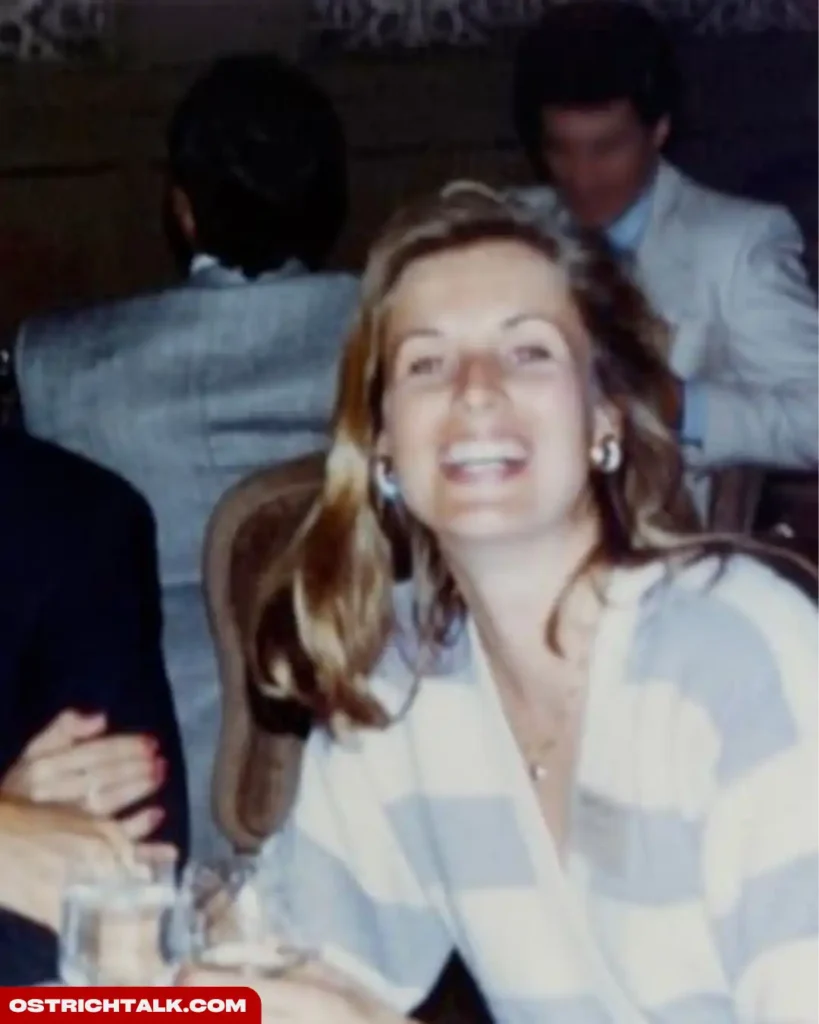
A San Diego jury delivered one of the most debated verdicts in American legal history in 1991, and Linda Kolkena sat at the center of that story. Her death, alongside that of her husband Dan Broderick, on November 5, 1989, shocked a city and launched a court case that cable television networks, true crime writers, and documentary makers still revisit decades later. Most people know her name only through the lens of that crime. This article examines who Linda Kolkena was as a person, how she lived, and what the case surrounding her death revealed about wealth, obsession, and the American legal system.
Who Was Linda Kolkena Before She Met Dan Broderick?
Linda Kolkena was born on January 1, 1958, in Salt Lake City, Utah. She grew up in a working-class family and moved to San Diego as a young adult seeking new opportunities in a city with a strong economy and a warm climate that attracted transplants from across the country. She carried a reputation among those who knew her as warm, energetic, and socially at ease in almost any setting.

What Did Linda Kolkena Do for Work Before Meeting Dan Broderick?
Kolkena worked as a flight attendant for Delta Air Lines before taking a position in San Diego’s legal community. She later joined the law office of Daniel T. Broderick III as a receptionist in 1983. That job placement would alter the course of her life entirely. Dan Broderick was a prominent medical malpractice attorney with an established reputation in San Diego’s legal and social circles. His professional success had built a life of considerable privilege for his family.
Her role in the office brought her into daily contact with Broderick at a time when his marriage to Betty Broderick was already showing private signs of strain. Friends and colleagues who later spoke to reporters described Linda as professional, cheerful, and genuinely well-liked by the people she worked with. Nothing about her early career suggested the trajectory that followed.
How Did the Relationship Between Linda Kolkena and Dan Broderick Develop?
Dan Broderick began a romantic relationship with Linda Kolkena while still married to Betty Broderick. According to reporting by People magazine, Betty Broderick became aware of the relationship in the mid-1980s and confronted her husband repeatedly. Dan Broderick denied the affair for an extended period before eventually acknowledging it. The timeline of the relationship’s development became a central point of dispute during Betty Broderick’s subsequent trials.
How Did Betty Broderick React to the Relationship?
Betty Broderick’s reaction to the affair escalated steadily over several years. She left profane messages on Dan Broderick’s answering machine, drove her car into the front door of his home, and sent hostile written communications that prosecutors later introduced as evidence of premeditation. According to court documents reported by the San Diego Union-Tribune, Betty Broderick also broke into Dan and Linda’s home on multiple occasions and destroyed property inside.
Dan Broderick filed for divorce in 1985. The proceedings stretched over several years and grew increasingly bitter on both sides. Betty Broderick ultimately received a divorce settlement that included significant monthly support payments. However, the conflict between the two parties did not resolve with the legal finalization of the divorce. Furthermore, Dan Broderick pursued and eventually won a reduction in those support payments through the courts, a move that intensified Betty’s already documented hostility toward both him and Linda.

When Did Dan Broderick and Linda Kolkena Marry?
Dan Broderick and Linda Kolkena married on April 22, 1989, in a ceremony attended by friends and colleagues from San Diego’s legal community. Linda was 31 years old at the time of their wedding. Dan was 44. According to People magazine, the couple appeared happy and socially active in San Diego in the months following their marriage. Their life together lasted less than seven months.
What Happened on November 5, 1989?
In the early morning hours of November 5, 1989, Betty Broderick entered the home Dan and Linda shared in the Marston Hills neighborhood of San Diego. She used a key she had obtained without authorization. Dan and Linda were asleep in their bedroom when Betty entered and fired multiple shots with a .38 caliber revolver. Linda Kolkena Broderick died at the scene. Dan Broderick died shortly after at a local hospital. Linda was 28 years old at the time of her death.
How Did Law Enforcement Respond to the Crime?
San Diego police arrested Betty Broderick later that same day after she called a family friend and disclosed what she had done, according to court records cited in subsequent trial coverage by the Los Angeles Times. Investigators found the crime scene consistent with the account Betty later gave in court. She did not flee the state or attempt to conceal her involvement. Her legal team would later argue that years of emotional abuse, manipulation, and public humiliation had driven her to a breaking point.
The case moved quickly through the legal system given the strength of the physical evidence and Betty Broderick’s own admission of presence at the scene. What remained in genuine legal dispute was the question of intent, premeditation, and the weight a jury should give to years of documented psychological torment in evaluating criminal responsibility.
What Happened During Betty Broderick’s Trials?
Betty Broderick faced two separate trials for the murders of Dan and Linda Broderick. Her first trial ended in a hung jury in 1990 after jurors could not reach a unanimous verdict. That outcome stunned many legal observers given the directness of the evidence. Several jurors who spoke to reporters after the mistrial indicated they felt sympathy for Betty’s account of prolonged emotional abuse, even while acknowledging the facts of what she had done.
What Was the Outcome of the Second Trial?
The second trial concluded in December 1991 with Betty Broderick’s conviction on two counts of second-degree murder. The jury rejected her defense team’s argument for voluntary manslaughter, which would have resulted in a significantly shorter sentence. Judge Thomas Whelan sentenced Betty Broderick to 32 years to life in prison. She became eligible for parole hearings after serving the mandatory minimum portion of that sentence.
According to reporting by the San Diego Union-Tribune, the prosecution argued throughout the second trial that Betty Broderick had planned the killings over an extended period and had made prior statements suggesting violent intent. The defense countered that years of gaslighting, public humiliation, and systematic legal manipulation had left Betty in a state of diminished psychological capacity on the night of the shootings.
How Did the Trial Represent Linda Kolkena’s Perspective?
Linda Kolkena had no opportunity to speak for herself in any proceeding. She died before the legal system engaged with her case at all. Prosecutors presented evidence of her life and her brief marriage to Dan Broderick, but the trial’s narrative focus fell almost entirely on the conflict between Betty and Dan Broderick. Linda’s family members attended portions of the proceedings and spoke to media about their sense that Linda’s identity had been reduced to a supporting role in a story that cost her life.
That dynamic reflects a pattern that crime historians and legal scholars have noted in high-profile cases involving romantic triangles. The person who occupies the position Linda held often loses individual identity in the media coverage. The story reframes itself around the surviving parties and their conflict, leaving the victim’s full humanity underexplored in the public record.
How Did Media Coverage Shape the Public Perception of Linda Kolkena?
The Broderick case attracted national media attention almost immediately after the November 1989 killings. Television news programs, tabloid publications, and true crime magazines all covered the story extensively throughout the trial period. The coverage consistently placed Betty Broderick’s emotional narrative at the center of the story, which had the effect of casting Linda Kolkena in a secondary and sometimes unsympathetic light.
How Did Television Dramatizations Portray Linda Kolkena?
CBS broadcast two television movies about the Broderick case in 1992. “A Woman Scorned: The Betty Broderick Story” and its sequel “Her Final Fury: Betty Broderick, the Last Chapter” attracted large audiences and reinforced a particular narrative framing of the events. According to ratings data reported by Variety at the time, both films ranked among the most-watched television movies of their respective broadcast seasons.
The dramatizations portrayed Linda Kolkena as a younger woman whose relationship with a married man contributed to the chain of events that followed. Critics writing for publications including the Los Angeles Times noted that the films gave limited attention to Linda as an individual with her own story, relationships, and inner life. Instead, the narrative used her primarily as a device to establish the emotional stakes of Betty Broderick’s deteriorating mental state.
What Did More Recent Documentaries Add to Linda’s Story?
The true crime revival of the 2010s and 2020s brought renewed attention to the Broderick case through podcast episodes, streaming documentaries, and long-form investigative journalism. Some of this coverage made a more deliberate effort to examine Linda Kolkena’s life independently of the trial narrative. Journalists and producers who interviewed her surviving family members and friends presented a portrait of a young woman who had built genuine relationships, held professional ambitions, and had not sought the notoriety that her association with Dan Broderick ultimately produced.
Furthermore, the shift in true crime storytelling toward victim-centered narratives has gradually changed how audiences engage with Linda’s story. Viewers and listeners who encountered the Broderick case for the first time through podcast formats often expressed surprise at how little earlier coverage had focused on Linda as a person. That response reflects a broader cultural shift in how the public evaluates media treatment of crime victims.
What Has Betty Broderick’s Parole History Revealed About the Case’s Ongoing Legacy?
Betty Broderick has appeared before the California Board of Parole Hearings multiple times since becoming eligible. The board denied her parole on several occasions, citing the premeditated nature of the crime and her statements during hearings that parole board members found insufficiently remorseful. Each parole hearing has reignited public debate about the case and brought Linda Kolkena’s name back into media coverage.
What Arguments Do Supporters of Betty Broderick’s Release Make?
A vocal group of supporters argues that Betty Broderick’s case represents a failure of the legal system to adequately account for the psychological damage of prolonged emotional abuse. They point to the evolution of legal standards around coercive control and intimate partner violence since 1991 and argue that a jury applying today’s understanding of those concepts might have reached a different verdict. According to reporting by the Associated Press, some domestic violence advocacy groups have cited the Broderick case in broader discussions about how courts evaluate the mental state of abuse survivors who commit violent acts.
These arguments do not directly address Linda Kolkena’s death. They focus on Betty Broderick’s psychological state and legal treatment. However, the debate they generate inevitably touches on how society weighs the circumstances surrounding a crime against the undeniable fact of its outcome. Linda Kolkena and Dan Broderick did not survive to participate in that conversation.
How Do Linda Kolkena’s Family Members View the Ongoing Public Interest?
Members of Linda Kolkena’s family have spoken periodically to journalists about their experience of watching the case remain in public circulation for more than three decades. Their accounts, reported by outlets including People magazine, describe a persistent sense that Linda’s identity continues to be defined almost entirely by the circumstances of her death rather than by the life she lived before it. They have expressed particular concern about media framings that treat the case primarily as Betty Broderick’s story.
That perspective raises a legitimate question about how the true crime genre handles victims whose deaths occur within emotionally complex circumstances. Linda Kolkena was a 28-year-old woman with family, friendships, professional relationships, and a future that the morning of November 5, 1989 erased entirely. The legal and media systems that processed her death did so through frameworks that were not built with her individual humanity as the central organizing principle.
What Does Linda Kolkena’s Story Reveal About Wealth, Power, and the Legal System?
The Broderick case played out against a backdrop of significant social and economic privilege. Dan Broderick earned income that placed his family in the top tier of San Diego’s professional class. That wealth funded a legal divorce battle of unusual length and complexity. It also gave Dan Broderick access to legal resources that Betty Broderick argued allowed him to manipulate proceedings in ways that compounded her psychological deterioration.
How Did Class and Status Affect the Case’s Trajectory?
Legal scholars who have written about the Broderick case note that the resources available to Dan Broderick during the divorce proceedings gave him strategic advantages that less wealthy individuals in similar situations would not have possessed. According to law review articles examining the case in the context of family law reform, the prolonged nature of the divorce and the repeated modifications to support arrangements reflected a legal process that wealthy participants can extend and reshape in ways that impose severe emotional costs on the other party.
Linda Kolkena entered that dynamic as Dan Broderick’s partner and eventually his wife. Her position made her a target for Betty Broderick’s hostility regardless of her own individual actions or intentions. The structural forces at work in the case, wealth, legal access, and a prolonged high-conflict divorce, created conditions that made Linda Kolkena vulnerable in ways she could not fully perceive or protect herself against.
What Lessons Does the Case Offer About Domestic Conflict and Its Consequences?
The Broderick case offers several lessons that family law practitioners, domestic violence researchers, and mental health professionals have cited in their work since 1991. High-conflict divorces involving significant financial stakes and prolonged legal battles carry documented risks of escalating to violence that the legal system’s standard tools do not adequately address. Furthermore, third parties who enter those conflicts, whether by choice or circumstance, face risks that the legal process rarely accounts for until after harm has occurred.
Linda Kolkena did not create the conflict that ultimately took her life. She entered a relationship with a man whose marriage had already developed serious fractures before she joined his law office. The years that followed exposed her to a level of documented hostility that few people in similar situations encounter. Her death at 28 represents not only a personal tragedy but also a systemic failure to recognize and respond to warning signs that experts now identify as predictors of lethal domestic violence escalation.
Frequently Asked Questions About Linda Kolkena
Who was Linda Kolkena?
Linda Kolkena was a San Diego woman born on January 1, 1958, who worked as a receptionist in attorney Dan Broderick’s law office before beginning a relationship with him and eventually marrying him in April 1989.
How did Linda Kolkena die?
Betty Broderick shot and killed Linda Kolkena and Dan Broderick in their San Diego home in the early morning hours of November 5, 1989. Linda was 28 years old at the time of her death.
Was Linda Kolkena married to Dan Broderick when she died?
Yes. Dan Broderick and Linda Kolkena married on April 22, 1989, approximately seven months before Betty Broderick killed them both at their Marston Hills home in San Diego.
What was Betty Broderick’s sentence for killing Linda Kolkena?
A jury convicted Betty Broderick of two counts of second-degree murder in December 1991. Judge Thomas Whelan sentenced her to 32 years to life in prison.
Why did Betty Broderick’s first trial end in a mistrial?
The first trial ended in a hung jury in 1990 because jurors could not reach a unanimous verdict. Several jurors later told reporters that they felt sympathy for Betty Broderick’s account of prolonged emotional abuse during the marriage.
Has Betty Broderick been released from prison?
As of this writing, Betty Broderick remains in California state prison. The parole board has denied her release on multiple occasions, citing the nature of the crime and concerns about the remorse she expressed during hearings.
How did television portray Linda Kolkena?
Two CBS television movies broadcast in 1992 portrayed Linda Kolkena in a secondary role, focusing primarily on Betty Broderick’s emotional narrative. Critics noted that the films gave limited attention to Linda as an individual with her own story and identity.
Where did Linda Kolkena grow up?
Linda Kolkena grew up in Salt Lake City, Utah, and later moved to San Diego as a young adult before taking a position at Dan Broderick’s law office in 1983.
What did Linda Kolkena do before working for Dan Broderick?
Before joining Dan Broderick’s law office as a receptionist, Linda Kolkena worked as a flight attendant for Delta Air Lines.
Why does the Broderick case still attract public attention?
The case combines wealth, infidelity, a prolonged bitter divorce, and a double murder committed by a woman who retained significant public sympathy among some observers. True crime audiences continue to debate the verdict, the parole decisions, and the media treatment of all three central figures, including Linda Kolkena.
Read more Shamicka Gibbs
