
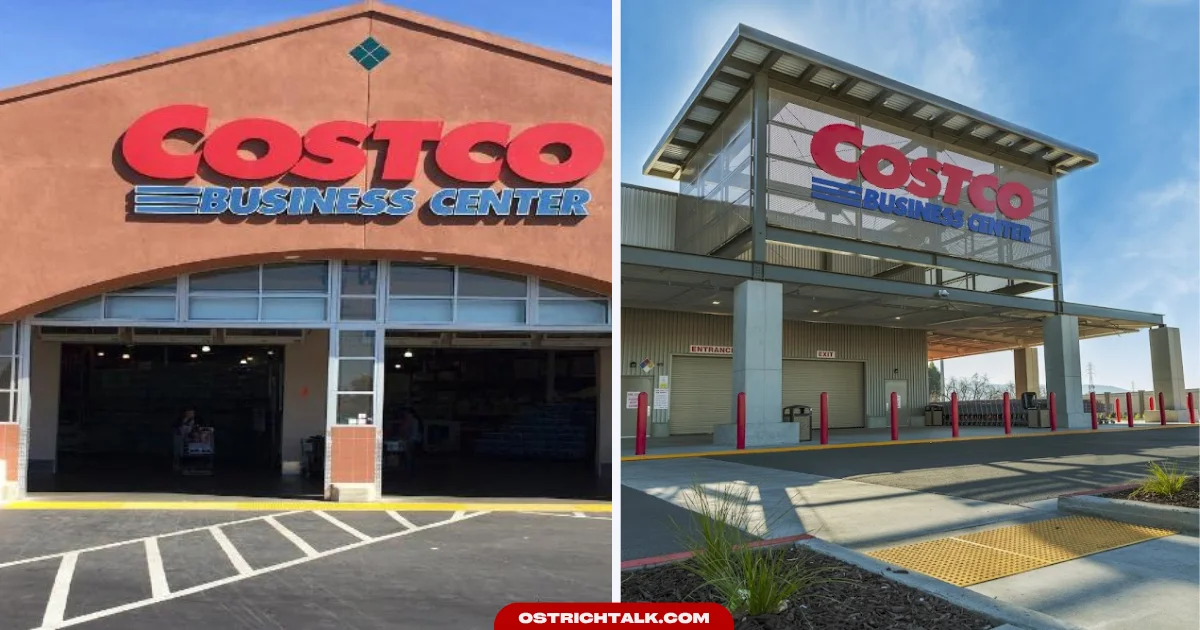
Few wholesale retailers have earned the loyalty of small business owners quite like the Costco Business Center. Unlike a standard Costco warehouse, this specialized format stocks products built for restaurants, offices, janitorial crews, and foodservice operations. Sales at these locations reached impressive volumes in recent years, signaling just how much demand exists among entrepreneurs seeking bulk pricing without the complexity of a commercial distributor.
How Does a Costco Business Center Differ From a Regular Costco?
Walk into a standard Costco and you will find televisions, clothing, seasonal decor, and groceries all competing for floor space. A Costco Business Center strips that consumer retail experience down entirely. The focus shifts to commercial-grade inventory: bulk paper goods, professional cleaning supplies, industrial kitchen equipment, and restaurant-sized food portions.
What Products Are Stocked Exclusively at Business Locations?
Regular Costco stores rarely carry items like commercial fryer oil in 35-pound jugs, full cases of single-serve condiment packets, or janitorial concentrate in five-gallon pails. Business Centers do. Moreover, the fresh deli section prioritizes large-format sliced meats, bulk cheeses, and pre-portioned proteins designed for food prep rather than family dinner.
Furthermore, a Business Center typically carries a broader selection of beverages for resale, including individual-portion bottles and canned drinks by the pallet. This makes them popular with convenience store operators, caterers, and event organizers.
Who Can Shop at a Costco Business Center?
Any valid Costco membership grants access to a Business Center location. You do not need a separate business account or a commercial license to walk through the doors. However, the inventory mix is clearly engineered around the needs of someone running a food operation, managing a facility, or restocking an office.
Is a Business Membership Worth the Upgrade?
Costco offers a standard Gold Star membership as well as a Business membership, both priced at $65 annually as of 2025. The Business tier allows the primary member to add additional cardholders at no extra charge, a meaningful benefit for companies with multiple buyers. Additionally, Business members can purchase items for resale, which Gold Star members cannot do under the membership agreement.
The Executive membership tier, available at $130 per year, adds a two-percent annual reward on qualifying purchases. For a business spending $25,000 or more annually at Costco, that reward can effectively offset the membership cost entirely.
What Are the Operating Hours and Locations?
Costco Business Centers operate on a schedule that caters to commercial buyers. Most locations open earlier than standard warehouses, often at 7:00 a.m., and close in the early evening. This schedule aligns with restaurant owners restocking before a lunch rush or office managers picking up supplies before the workday begins.
As of 2025, estimated by multiple outlets, there are approximately 25 Costco Business Center locations across the United States, concentrated in states like California, Texas, Washington, and Georgia. These are distinct physical warehouses, not sections inside a regular Costco. Each one operates as a standalone facility.
| Costco Business Center: Key Facts at a Glance | |
|---|---|
| Membership Required | Yes (Gold Star or Business tier) |
| Typical Opening Time | 7:00 a.m. |
| Average U.S. Locations | Approximately 25 (as of 2025) |
| Annual Business Membership Cost | $65 |
| Executive Membership Cost | $130 (includes 2% reward) |
| Fresh Food Focus | Foodservice-sized portions |
| Resale Purchasing Allowed | Yes, for Business members |
| Consumer Electronics Available | No |
What Food and Beverage Options Make It Ideal for Restaurants?
The fresh and refrigerated sections at a Costco Business Center are where restaurateurs find the most value. Proteins arrive in bulk formats that a home cook rarely needs. Think 10-pound blocks of cheddar, 12-count cases of avocados, or wholesale flats of eggs priced per dozen below typical restaurant supplier rates.
Indeed, the prepared foods area at many Business Center locations includes ready-to-serve rotisserie chickens and deli trays sized for catering. Consequently, small catering companies have found the Business Center to be a viable alternative to formal food distributors, particularly for last-minute restocking.
Are Prices Lower Than a Standard Costco?
Pricing at a Business Center is competitive with regular Costco pricing, though the two formats serve different quantity breakpoints. A standard Costco might sell a two-pack of olive oil. The Business Center equivalent might be a six-liter tin. The per-unit cost tends to be lower at the Business Center, but the required purchase volume is higher. Nevertheless, for a buyer who can move through that volume, the savings compound meaningfully over time.
What Non-Food Categories Set It Apart?
The Business Center model extends well beyond the kitchen. Janitorial supply is one of the strongest non-food categories. Commercial-strength cleaning chemicals, mop systems, trash liners by the roll, and floor care products appear in quantities that would fill a utility closet several times over.
Office supply buyers benefit as well. Paper by the case, printer cartridges in multipacks, and breakroom staples like coffee pods in 200-count boxes are standard inventory items. Additionally, packaging materials such as poly bags, shrink wrap, and shipping tape are stocked in formats that suit an e-commerce operation or small manufacturer.
Subsequently, business owners managing a small warehouse or production facility have begun treating the Business Center as a hybrid between a wholesale club and a light industrial supplier. That flexibility is a large part of the appeal.
How Does the Costco Business Center Fit Into the Broader Costco Strategy?
Costco generated net sales of approximately $242 billion in fiscal year 2024, according to the company’s official financial disclosures. The Business Center format represents a targeted effort to capture commercial spending that might otherwise go to distributors like Sysco or US Foods. By serving this segment within the existing membership ecosystem, Costco deepens loyalty and increases average transaction value.
The format also reduces competition with general retailers. A Business Center stocking commercial fryer oil is not competing with a grocery store. It is competing with restaurant supply houses and food service distributors. That is a very different and often more defensible market position.
Does Costco Plan to Expand Business Center Locations?
Costco has not publicly committed to a specific expansion timeline for Business Centers as of mid-2025. Nevertheless, the company has historically grown its warehouse count steadily, and the Business Center format aligns well with the ongoing growth of the small business sector in the United States. Analysts estimated by multiple outlets expect continued cautious expansion into metro markets with high concentrations of food service and hospitality businesses.
How Can Small Business Owners Save the Most Money at a Business Center? covers timing visits, tracking usage, Executive membership math, and which product categories (janitorial, proteins, dairy) give the best per-dollar value via an H3. “What Should First-Time Visitors Expect When Shopping There?” walks through the utilitarian floor layout, the importance of arriving with a list, cart selection strategy, and a practical H3 on accepted payment methods. “How Does Delivery and Online Ordering Work for Business Center Products?” covers the gap between in-warehouse and online assortment, third-party delivery growth, and a practical H3 on setting up a tax-exempt account.
Frequently Asked Questions
What is a Costco Business Center?
A Costco Business Center is a specialized Costco warehouse format stocked primarily with commercial-grade food, janitorial supplies, and office products in bulk quantities for business buyers.
Do you need a business license to shop at a Costco Business Center?
No business license is required. A standard Costco membership is sufficient to shop at any Business Center location.
How many Costco Business Centers are there in the United States?
There are approximately 25 Costco Business Center locations in the U.S. as of 2025, with the highest concentration in California, Texas, and Washington.
What time do Costco Business Centers open?
Most Business Center locations open at 7:00 a.m., earlier than a typical Costco warehouse, to accommodate commercial buyers restocking before business hours.
Can you buy items for resale at a Costco Business Center?
Business membership holders are permitted to purchase items for resale. Gold Star members are not covered under the resale provision of the membership agreement.
Is the food at a Costco Business Center restaurant quality?
The food inventory is sourced and sized for foodservice use. Many items match or exceed the specifications used by restaurant suppliers, though quality grading can vary by product category.
Does a Costco Business Center sell consumer electronics?
Consumer electronics, televisions, and seasonal merchandise are generally not stocked at Business Center locations. The format focuses on commercial consumables and business supplies.
What is the difference between a Gold Star and Business membership at Costco?
Both memberships cost $65 annually. The Business tier allows additional cardholders at no extra cost and permits purchases for resale, while the Gold Star membership is designed for household use.
Are prices at a Costco Business Center lower than regular Costco?
Per-unit pricing is often lower at a Business Center due to larger package sizes, but the minimum purchase quantity is typically higher, making it most cost-effective for buyers with consistent high-volume needs.
Can individuals without a business shop at a Costco Business Center?
Yes. Any current Costco member can shop at a Business Center location, regardless of whether they own or operate a business. Membership is the only requirement for entry.
