
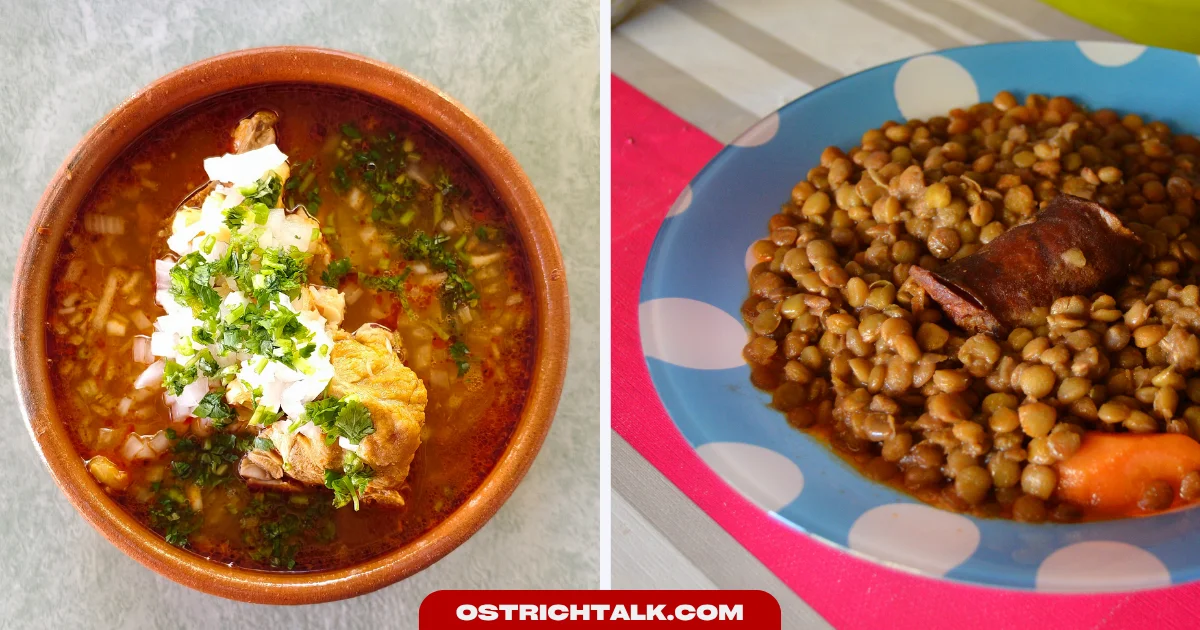
A single bowl of guiso de lentejas can stop a conversation cold. The aroma alone — smoky chorizo, softened sofrito, earthy lentils simmered low and slow — is enough to make anyone pause. This humble stew has fed generations across Latin America and Spain, and its quiet resurgence in neighborhood restaurants is no accident. Knowing what separates a forgettable bowl from an extraordinary one changes everything — whether you are searching for the best guiso de lentejas near me or trying to nail the dish yourself.
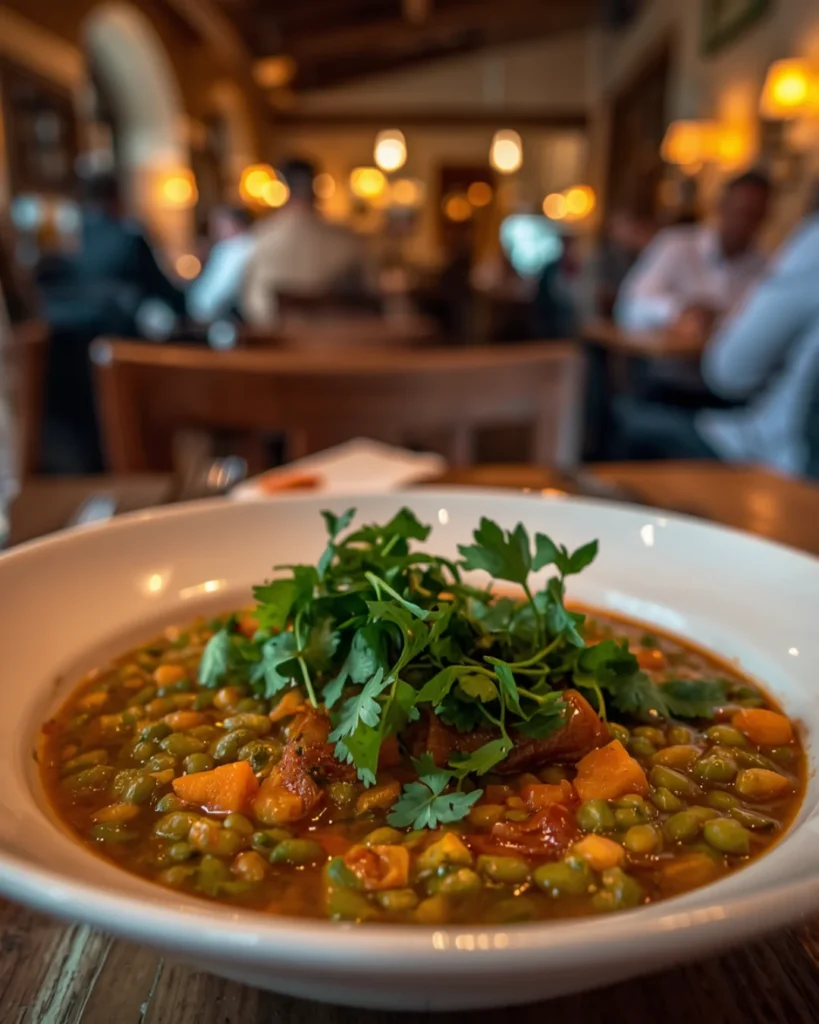
The Dish That Outlasted Empires
Lentil stews trace their roots to the Iberian Peninsula. Medieval cooks combined legumes with pork fat and dried spices to stretch ingredients across the coldest months of the year. Spanish colonizers carried the recipe across the Atlantic, and every region it touched made it uniquely its own. Mexico added chipotle and plantain. Cuba folded in bacon and cumin. Argentina leaned on roasted peppers and sweet paprika.
A Dish With No Single Owner
That regional variation is precisely what makes guiso de lentejas so alive as a culinary category. Unlike dishes locked to a single tradition, this stew absorbs local identity wherever it lands. A bowl served in Oaxaca and one served in Madrid share a common ancestor but taste like entirely different expressions of comfort. This is also why searching for a great version locally can yield wildly different results depending on your city’s dominant Latin American or Spanish community.
Furthermore, the dish’s simplicity is deceptive. Lentils rank among the most nutritionally dense legumes available, providing protein, iron, and fiber in proportions that rival many meat-heavy meals. The stew’s reputation as peasant food has, in recent decades, been reclaimed as a virtue rather than a liability.
The story of how this dish traveled the world is also a story of adaptability. Every culture that adopted it imposed its own pantry and its own palate. What emerged was not a single recipe but an entire family of them, each one legitimate, each one delicious in its own right.
Lentils themselves are among the oldest cultivated crops on earth. Archaeological evidence places their domestication in the Near East more than eight thousand years ago. By the time they arrived in Spain through Roman and Moorish trade routes, they were already deeply embedded in Mediterranean food culture. This deep history gives guiso de lentejas a kind of culinary authority that newer dishes simply cannot claim.
Understanding that history matters when you are searching for a great bowl today. The cooks who make this stew best are often those who learned it from a parent or grandparent rather than from a recipe. The technique is passed down rather than written down. Families with that generational knowledge produce results that are noticeably different from a version assembled by a chef who simply looked up the ingredients online.
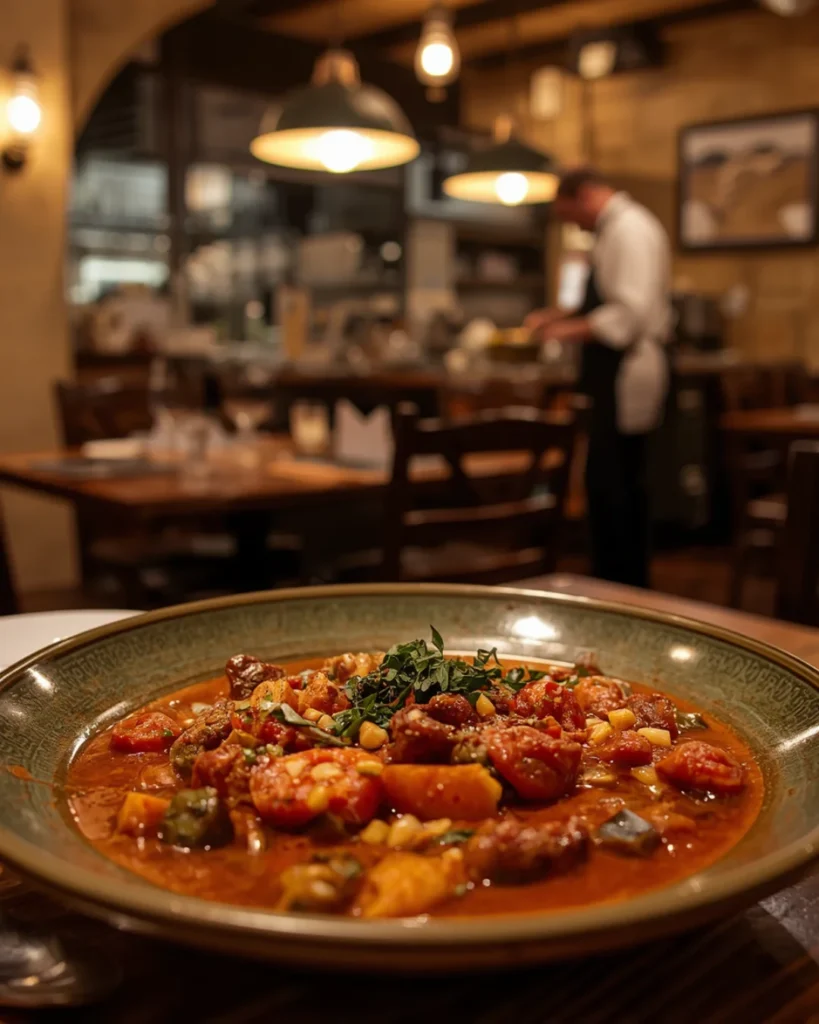
What Goes Into an Authentic Version
Every cook will defend their version as the correct one, and they are all right. However, certain elements appear across virtually every serious recipe and distinguish a well-made stew from a watery, under-seasoned disappointment.
The foundation is sofrito: a slow-cooked base of onion, garlic, and tomato. This step cannot be rushed. Caramelizing the sofrito over medium-low heat for fifteen to twenty minutes develops a depth of sweetness and savory complexity that defines the finished dish. Shortcuts here produce flat-tasting results with no amount of seasoning able to correct them.
The Protein Question
Chorizo is the most common protein addition, contributing both fat and smokiness that permeates every lentil. Spanish-style dry chorizo and Mexican fresh chorizo behave very differently in the pot. Dry chorizo releases fat slowly and holds its shape throughout the cook. Fresh chorizo crumbles and melds into the broth, creating a richer, more unified texture. Both approaches are legitimate and worth trying depending on the result you want.
Some cooks skip meat entirely. They build depth through smoked paprika, roasted peppers, and a splash of sherry vinegar instead. The vegetarian version is not a compromise — it is its own dish with its own character.
Additionally, the type of lentil matters more than most recipes acknowledge. Green and brown lentils hold their shape through long simmers and provide textural contrast. Red lentils dissolve almost completely, creating a thicker, more porridge-like consistency. Most traditional recipes call for green or brown, though red lentils work well in versions designed to be partially pureed.
Liquid and Timing
The ratio of liquid to lentils determines whether the final dish is a hearty stew or an accidental soup. Most recipes use roughly two and a half cups of liquid per cup of dried lentils, adjusting in the final minutes to reach the desired thickness. Broth adds more complexity than plain water. Chicken, vegetable, or pork stock all work well. Even salted water with a bay leaf and a dried chile produces a credible result when nothing else is available.
Timing is equally important. Lentils absorb liquid quickly and can go from perfectly tender to mushy within minutes. Checking the pot every ten minutes during the final third of cooking prevents overcooking. The stew is done when the lentils are soft but intact and the broth has thickened to coat a spoon lightly.
Spices and Their Role
Smoked paprika is the spice most closely associated with this dish. It provides color, smokiness, and an earthy undertone that anchors the flavor. Bay leaf is nearly universal, adding a quiet herbal note that would be missed if omitted. Cumin appears more frequently in Latin American versions than in Spanish ones. Dried thyme, oregano, or marjoram appear depending on the cook’s regional background and personal preference.
Salt deserves its own mention. Lentils absorb salt as they cook, which means a stew that tastes perfectly seasoned midway through cooking may taste flat by the time it is done. Tasting and adjusting in the final five minutes is the only reliable approach.
Choosing the Right Pot
The vessel matters more than most cooks realize. A heavy-bottomed pot — cast iron, enameled cast iron, or a thick stainless steel stockpot — distributes heat evenly and prevents the sofrito from scorching during its long cook. Thin-bottomed pans create hot spots that burn the garlic before the onion has softened. A scorched sofrito cannot be saved. Starting over is the only option.
A wide, shallow pot accelerates evaporation and produces a thicker stew more quickly. A taller, narrower pot retains more liquid and produces a brothier result. Neither is wrong. Knowing which you prefer helps you choose the right vessel before you even begin cooking.
Dutch ovens in the four-to-six-quart range are ideal for most home batches. They move comfortably from stovetop to oven. This allows you to finish the stew at a lower temperature for a longer time, which some cooks prefer for achieving exceptionally tender lentils without any risk of scorching the bottom.
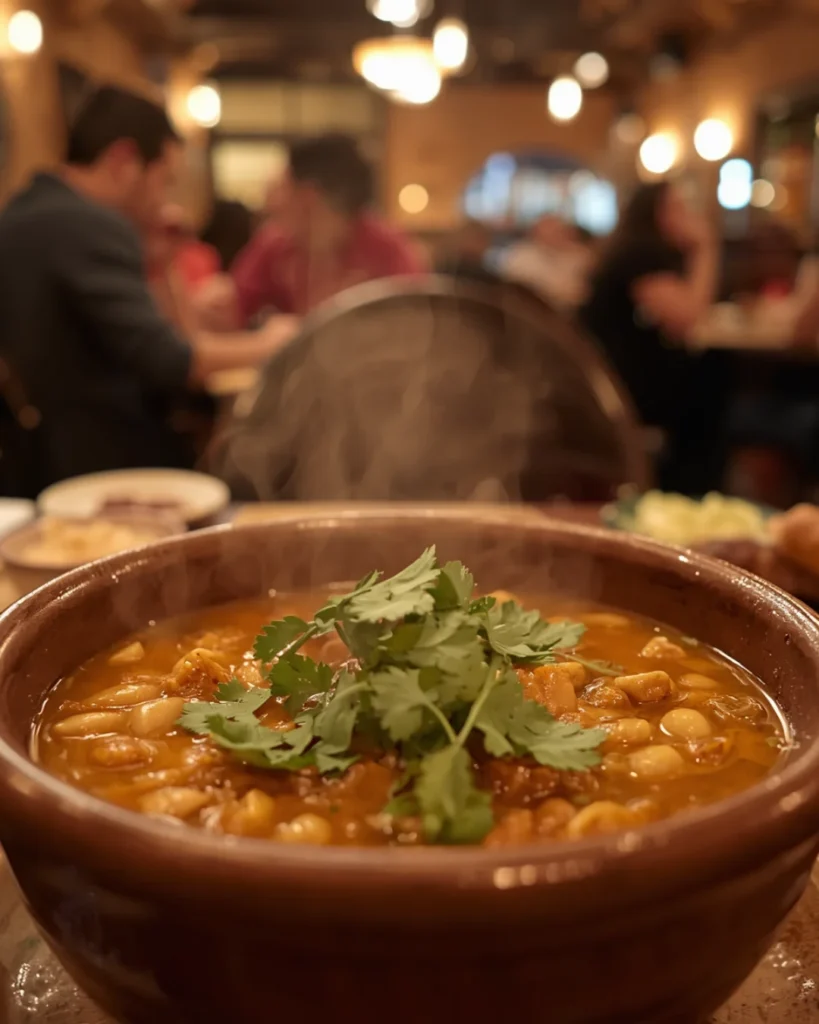
How to Find a Great Bowl Near You
Searching for the best guiso de lentejas near me produces different results in different cities. The dish is rarely a headliner on menus. It appears as a daily special, a rotating lunch plate, or a weekend feature at family-run Latin American and Spanish restaurants.
Mexican fondas and taquerias with rotating comida corrida menus are among the most reliable sources. These establishments often cook whatever was priced well at the market that morning. Lentils appear in rotation frequently. Cuban restaurants are another strong option, particularly in Miami, Tampa, and New York, where the dish is often listed as potaje de lentejas. Spanish tapas bars and traditional Spanish restaurants occasionally serve it as a plato de cuchara, literally a “spoon dish,” during cooler months.
Questions Worth Asking
When you find a promising spot, two questions reveal a lot about the kitchen’s approach. First, ask whether the sofrito is made fresh daily or from a base. Second, ask whether the lentils are cooked to order or held in a steam table. A restaurant that holds lentils for hours produces a texture that no amount of seasoning can fully rescue. Freshly made and served within an hour of finishing is the standard worth seeking out.
Moreover, neighborhood Facebook groups and local food forums often surface recommendations that no algorithm finds reliably. Searching by name in Spanish-language community groups frequently uncovers home cooks who sell weekend meals. Small catering operations and neighborhood restaurants that do not maintain an active web presence also surface this way. These hidden sources often produce the most authentic bowls in any city.
Using Review Platforms Strategically
Standard review platforms like Google Maps and Yelp can surface results, but they require specific search terms to be useful. Searching “lentil stew” returns generic results. Searching “lentejas” or “potaje” returns more targeted ones. Filter by cuisine — Latin American, Mexican, Cuban, or Spanish — then scan menus or photos for the dish. This approach is more reliable than relying on the platform’s keyword matching alone.
Photo reviews are particularly useful. A customer photo of a bowl shows you texture, color, and portion size more honestly than any written description. Look for a stew with a deep reddish-brown color from the paprika and sofrito, visible chorizo pieces, and a broth that coats the back of a spoon. Thin, pale broths with floating lentils indicate a version that skipped either the sofrito or the seasoning step.
Timing Your Visit
Arriving at the right time matters. Guiso de lentejas is a lunch dish in most Latin American and Spanish culinary traditions. Many restaurants prepare it in the morning and serve it through the midday rush. By dinner, the pot may be empty or the lentils overcooked from sitting too long. Planning a visit between noon and two in the afternoon gives you the best chance of a freshly finished batch.
What to Look For on the Menu
Menu language is a useful indicator of authenticity. A restaurant that calls the dish “lentil soup” is likely serving a different preparation entirely — one designed for a general audience rather than rooted in any specific tradition. Restaurants that use the Spanish name and describe the dish with regional specificity are more likely to be producing something worth ordering. Listing it as a daily special rather than a permanent fixture is another encouraging sign.
Price is another signal. Authentic guiso de lentejas is an inexpensive dish to make. Restaurants that charge the same price as premium protein dishes are unlikely to be serving the traditional version. Modest pricing at a family-run establishment often reflects the kitchen’s honest relationship with the dish and its ingredients.
It is also worth noting that the best versions are rarely found at restaurants that specialize in them. This stew belongs to a category of everyday cooking that surfaces as a rotating item at places whose identity is built around something else entirely. A taco spot that makes lentejas on Thursdays. The Cuban lunch counter where the daily plate rotates through five or six dishes. These incidental encounters often produce the most memorable bowls.
The Nutritional Case for Making It a Regular Meal
Beyond flavor, this dish earns its place in a regular rotation on nutritional grounds. According to the United States Department of Agriculture, one cooked cup of lentils provides approximately eighteen grams of protein and fifteen grams of dietary fiber. It also delivers thirty-seven percent of the recommended daily intake of iron. Those figures position lentils among the most efficient plant-based protein sources available anywhere.
The stew format amplifies these benefits. Cooking lentils alongside tomatoes increases iron absorption. The vitamin C in tomatoes converts iron into a form the body processes more readily. Olive oil, used in most sofrito preparations, contributes monounsaturated fats linked to cardiovascular health, according to research cited by the American Heart Association.
Consequently, the dish that fed working families across centuries turns out to have been nutritionally sophisticated all along. Its caloric density is moderate. Satiety is high. Ingredient cost remains among the lowest of any protein-rich meal a home cook can produce.
Lentils and Blood Sugar
One nutritional advantage that receives less attention is the glycemic impact of lentils. Their high fiber content slows glucose absorption, making them particularly well-suited for people managing blood sugar. The combination of protein, fiber, and complex carbohydrates produces a sustained energy release rather than a spike. This makes guiso de lentejas an unusually sensible choice for both athletic performance and everyday energy management.
Additionally, the dish freezes exceptionally well. Portioning it into individual containers after cooking provides a week’s worth of ready lunches at a fraction of the cost and preparation time of most alternatives. The flavor deepens after freezing and reheating, making the effort-to-reward ratio genuinely impressive.
Comparing Lentils to Other Protein Sources
The cost-per-gram-of-protein comparison between lentils and animal proteins is striking. Dried lentils typically cost a fraction of what chicken breast, ground beef, or canned tuna costs per serving in most markets. For households managing food budgets carefully, this nutritional density at low cost is not a minor advantage — it is a significant one. The fact that the finished dish also tastes exceptional removes any sense of compromise from the equation.
Lentils also contain substantial amounts of folate, potassium, and magnesium. Folate supports cell function and tissue growth. Potassium helps regulate blood pressure. Magnesium plays a role in muscle function and sleep quality. Most people in Western diets fall short of recommended intake for all three. A regular serving of guiso de lentejas addresses all three deficiencies simultaneously, which is difficult to replicate with most other single-dish meals.
Making the Best Version at Home
For anyone who cannot find a satisfying version nearby, making this stew at home is genuinely accessible. The ingredients are inexpensive and widely available. The technique is forgiving. Results improve significantly with each attempt as you learn how your stove, your pot, and your preferred lentil variety interact. Most home cooks produce a bowl they are proud of on the very first attempt. By the third or fourth time, the process becomes intuitive and the results become excellent.
The investment in equipment is minimal. A good heavy-bottomed pot, a wooden spoon, and a ladle are all you need. Active cooking time runs roughly forty-five minutes, followed by a brief rest. The cost per serving is low enough that the dish becomes a genuine weekly staple rather than an occasional project.
The following table outlines the key variables that separate a basic version from an exceptional one.
| Element | Basic Approach | Elevated Approach |
|---|---|---|
| Sofrito | Onion and garlic, 5 minutes | Onion, garlic, tomato, roasted pepper, 20 minutes on low heat |
| Protein | None or canned chorizo | Fresh or dry Spanish chorizo, rendered first |
| Liquid | Water | Homemade or quality store-bought chicken or vegetable broth |
| Lentil type | Any available | Green or brown, soaked 30 minutes before cooking |
| Seasoning | Salt and cumin | Smoked paprika, bay leaf, dried thyme, finishing sherry vinegar |
| Finish | Served immediately | Rested 10 minutes off heat, adjusted with vinegar and olive oil |
Building the Base
Begin by rendering chorizo in a heavy-bottomed pot until the fat releases and the meat takes on color. Remove the chorizo and set it aside. Cook the sofrito in the rendered fat, adding onion first, then garlic, then tomato and peppers in sequence. Allow each ingredient to cook down before adding the next. This layered approach builds a complexity that a single simultaneous dump of ingredients cannot replicate.
Once the sofrito is deeply colored and fragrant, add the broth, lentils, bay leaf, smoked paprika, and the reserved chorizo. Bring everything to a gentle simmer rather than a hard boil. Cover and cook for twenty-five to thirty-five minutes, checking every ten minutes for consistency and tenderness.
The Final Adjustment
A finishing splash of sherry vinegar is the step most home cooks skip and most restaurant cooks consider non-negotiable. The acid brightens every other flavor in the pot. It cuts through the richness of the chorizo and makes the spices snap into clearer focus. Add it one teaspoon at a time in the final two minutes of cooking, tasting after each addition. Too much vinegar tips the stew sour; the right amount makes everything taste more like itself.
Resting the stew off the heat for ten minutes before serving is equally important. During that time, the lentils continue to absorb the broth and the flavors come into full alignment. Serving straight from the boil produces a thinner, sharper result than the rested version. Patience here is genuinely rewarded.
Regional Variations Worth Knowing
The version served at a neighborhood Cuban restaurant differs meaningfully from one at a Mexican fonda or a Spanish tapas bar. Understanding these differences helps you order more precisely and cook more intentionally at home.
Cuban potaje de lentejas typically includes bacon or ham hocks alongside chorizo. Plantain often appears for sweetness and body. The spice profile leans toward cumin with minimal heat. Mexican versions frequently include chipotle in adobo or dried ancho chile, adding smokiness and moderate heat without overwhelming the lentils. Argentine and Uruguayan cooks often include carrot, potato, and butternut squash, making the stew more of a complete one-pot meal with substantial vegetable content.
The Spanish Standard
Spanish renditions, particularly those from Castile and León, tend to be simpler in ingredient count but more demanding about quality. A Castilian cook will insist on pimentón de la Vera, the smoked paprika produced in a specific region of Extremadura, and will not accept a substitute. The flavor difference between generic smoked paprika and the protected-origin version is real and worth experiencing. Sourcing it from a Spanish import shop or specialty food retailer is a worthwhile investment.
Morcilla, a type of blood sausage, appears in some Spanish versions alongside or instead of chorizo. It contributes a deep, iron-rich flavor and a soft texture that dissolves partially into the broth. The result is richer and more intensely savory than versions made with chorizo alone. For anyone already comfortable with blood sausage, it is worth seeking out.
Colombian and Venezuelan Takes
Colombian lentejas guisadas tend to include tomato and scallion in the sofrito base, with cumin as the dominant spice. The result is bright and slightly tangy. Venezuelan versions often incorporate papelón, a form of unrefined cane sugar, in small amounts. That touch of sweetness balances the acidity of the tomato and creates a rounder, more harmonious flavor profile. Neither version is well-known outside its home country, which makes them worth searching for in cities with significant Colombian or Venezuelan communities.
Indeed, this regional specificity is part of what makes searching for the best guiso de lentejas near me such a rewarding exercise. Each bowl argues for a particular culinary tradition. Each tradition has something genuinely worth learning from.
Peruvian and Ecuadorian Versions
Less commonly discussed but equally worthy are the Peruvian and Ecuadorian interpretations. Peruvian sopa de lentejas often incorporates ají amarillo, a bright yellow chile with fruity heat that gives the broth an unexpected vibrancy. The color shifts from the familiar red-brown to a warm golden tone. Ecuadorian versions tend toward a denser, more vegetable-heavy stew with larger chunks of carrot and potato left whole rather than broken down during cooking.
Both versions are worth seeking out in cities with Andean communities. They represent a departure from the Spanish-influenced mainstream and demonstrate how far the dish has traveled from its Iberian origins while remaining unmistakably itself.
What to Serve Alongside It
Guiso de lentejas is a complete meal in one pot, but thoughtful accompaniments elevate the experience considerably. Crusty bread is the most universal pairing, used to scoop the stew and clean the bowl. In Spanish tradition, this pairing is considered non-negotiable. The bread is not a side dish — it is a utensil.
A simple green salad dressed with olive oil and red wine vinegar provides textural contrast. The fresh, crisp leaves cut through the stew’s richness and provide a palate reset between spoonfuls. In many Latin American homes, white rice appears as a standard accompaniment. It is served alongside rather than mixed in. Some cooks ladle the stew over the rice, which absorbs the seasoned broth and becomes something remarkable in the process.
A glass of tempranillo, garnacha, or a light-bodied Rioja completes the experience for those inclined toward wine. Nevertheless, the dish is equally at home alongside sparkling water and a wedge of lime, which echoes the vinegar-brightness already present in the stew. Choosing lime over wine is not a compromise — it is simply a different but equally valid expression of the same pairing logic.
Leftovers and the Second-Day Effect
Most experienced cooks of this stew will tell you the second day is better than the first. Overnight refrigeration allows the flavors to meld, the lentils to absorb the remaining broth more fully, and the spices to deepen. Reheating gently over low heat with a splash of additional broth or water restores the texture. A fresh drizzle of good olive oil added at the end of reheating makes the reheated version feel intentional rather than perfunctory.
Feeding a Crowd
Guiso de lentejas scales remarkably well, which makes it an ideal choice for gatherings. A pot designed for six can become a pot for twelve with proportional increases in ingredients and a slightly longer cook time. The dish holds well in a covered pot off the heat for up to two hours, making it practical for buffet-style serving or meals where guests arrive at different times.
Setting out accompaniments — bread, rice, a green salad, sliced fresh chiles, a bottle of hot sauce — allows each person to customize their bowl. This approach works particularly well for mixed groups where some guests may prefer a lighter version and others want the full experience. The stew itself remains consistent while the personalization happens at the table.
Frequently Asked Questions
What is guiso de lentejas?
Guiso de lentejas is a slow-simmered lentil stew common across Spain and Latin America, typically built on a sofrito base with smoked paprika and chorizo or other cured meats. Regional variations differ in spice level, protein choice, and vegetable additions.
How long does guiso de lentejas keep in the refrigerator?
Stored in an airtight container, the stew keeps well for up to five days and often tastes better on the second or third day as the flavors continue to develop.
Can guiso de lentejas be made vegetarian?
Yes. Omitting the chorizo and replacing chicken broth with vegetable broth produces a fully plant-based version. Smoked paprika and a generous drizzle of olive oil compensate for much of the depth that meat would otherwise contribute.
What type of lentils work best for this stew?
Green or brown lentils are the standard choice because they hold their shape through the long simmer. Red lentils dissolve into the broth, producing a thicker and creamier consistency that some cooks prefer for a smoother result.
Conclusion
Guiso de lentejas is one of those rare dishes that rewards attention at every level. Finding the best guiso de lentejas near me is a genuinely worthwhile pursuit. When no great local option exists, making it at home is one of the most satisfying and accessible cooking projects available. The ingredients are humble. Learning the technique is straightforward. Results are deeply comforting in a way that few dishes can match.
Start with a slow sofrito, choose your lentils carefully, and never skip the finishing vinegar. Learn which regional version resonates most with you. Seek out the restaurant or home cook in your city who makes it the way their family taught them. When you find that bowl, you will understand why this dish has survived empires, crossed oceans, and remained on tables around the world for thousands of years.
Whether the version you land on is Cuban, Mexican, Spanish, Colombian, or entirely your own, the bowl that comes out of that pot carries centuries of culinary intelligence. That is a history worth seeking out. More importantly, it is a history worth tasting.
