
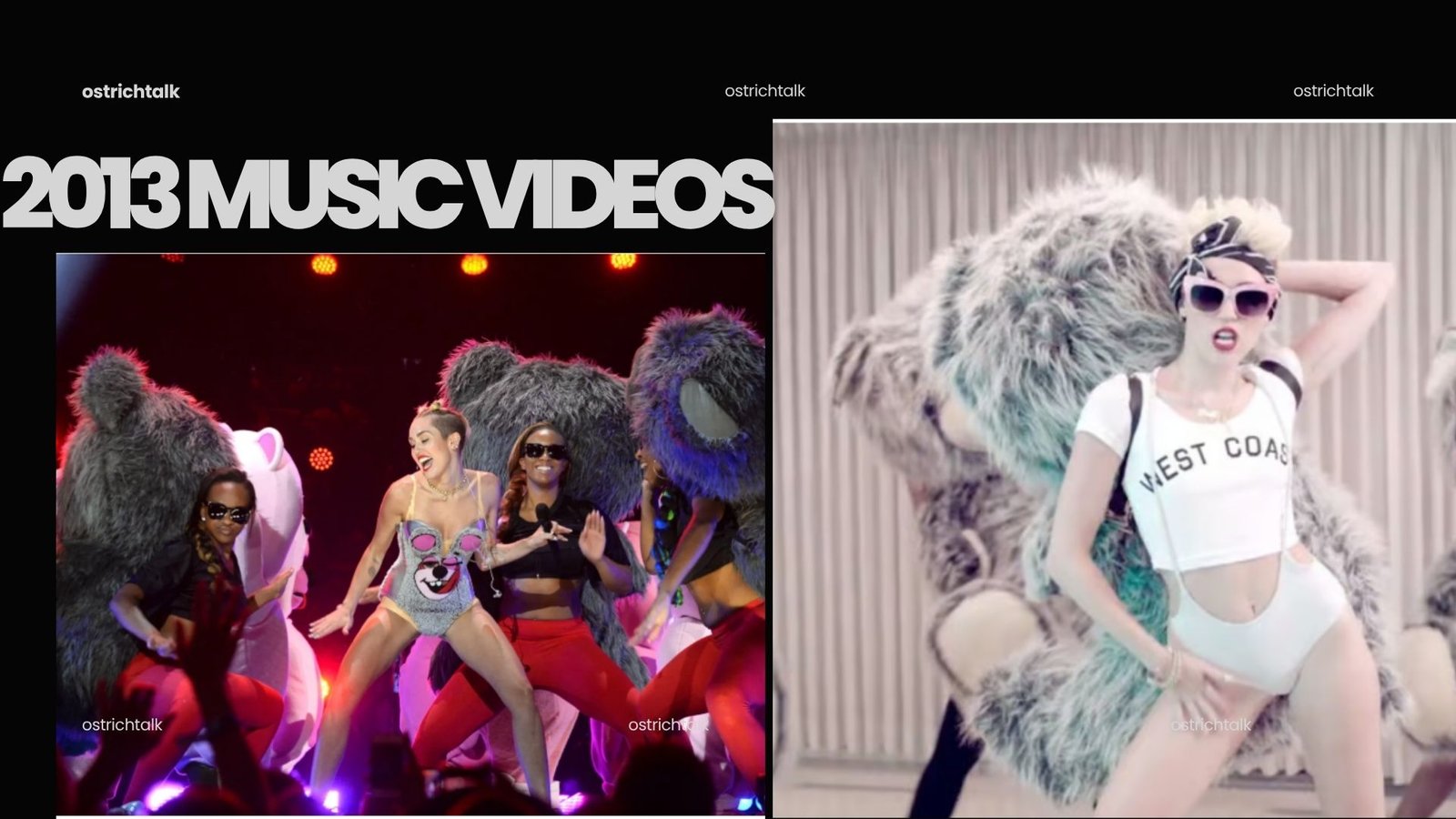
The year of 2013 was a pivotal year for pop culture, and 2013 music videos were a major part of the change. Online videos began to be considered as short films rather than simple promotional clips to sell. In this way, the releases became cultural events and went on being talked about for a good few weeks after. This period revolutionized music for fans around the world with its dramatic performances and unconventional partnerships. We will look at why music videos from 2013 are still relevant, which ones set records, and how music videos will be an influence on the industry in the future.
For any artist, videos used to be the primary medium for connecting with their fanbase before the rise of streaming. For this reason, the decisions for creativity at this stage were very significant. All releases required a hook, a visual identity and a reason to be shared. That pressure spurred creators to take risks with larger ideas, which were very successful for the industry.
Music videos became so memorable in 2013.In 2013, music videos were so memorable
This year’s releases were unforgettable for both casual viewers, and critics, with the factors combining. Firstly, YouTube was now a global platform and artists did not need TV to make their work reach millions of people. As for social media, sites such as Twitter and Instagram got the word out on new releases within hours. That meant 2013 music videos got a boost in circulation the likes of which the industry had never seen before. Also, budgets went up considerably, giving directors the chance to explore film-making techniques which were previously unaffordable.
As such, in 2013, many music videos appeared more like mini-movies than just a bunch of performance videos linked together. Moreover, the rivalries among artists grew, as everyone wished to see their release go viral online. Therefore, it became a matter of necessity, not choice for anyone wanting to stand out, to be creative. The sets, choreography and multi-layered storytelling were more elaborate than in past years. These and many other factors ensured that the music videos of 2013 still make history as highly innovative today.
The top genres of 2013 music videos are revealed
During this exciting era, there were various ways in which genres conveyed visuals. Here, we’ll dissect the individual styles that helped each release take off and put together this year’s most hyped albums.
Pop Music Dominance
The pop artists were the ones to carry the ball in terms of going viral and being in the mainstream. As a result, some 2013 music videos by pop stars broke the record of YouTube within days of their release. This genre’s visual identity for the year was defined by bright colors, high-energy choreography and catchy hooks. Furthermore, pop artists worked with the best directors which raised the standard of production within the industry as a whole.
Hip-Hop’s Bold Statements
Hip-hop artists employed their images to convey strong messages of identity, culture and ambition. There were many videos using symbolism, style and storylines that were commented on by a large number of people. During this period, hip-hop was changing rapidly; these pictures frequently challenged norms that weren’t normally witnessed in the mainstream media. As a result, the 2013 music videos in this genre garnered praise from music video critics and casual viewers.
The cross-over effect from EDM
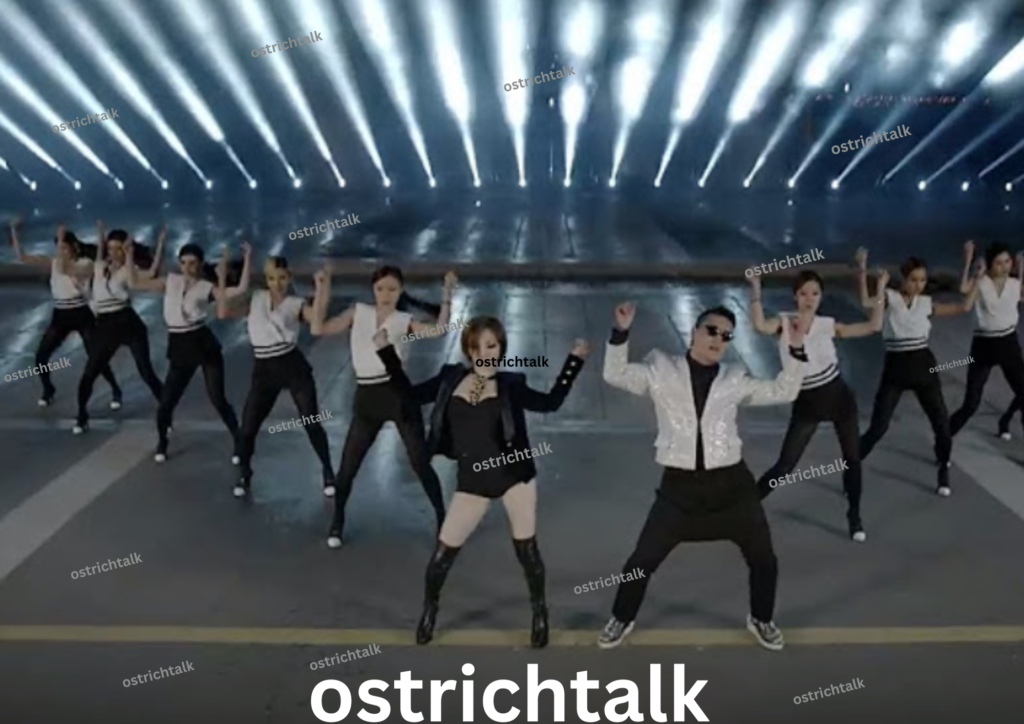
Around this time, too, EDM got its own legs in the mainstream video scene. The releases in this genre, therefore, combined festival sensibility and futuristic graphics with intense lighting. This crossover helped bridge the gap between EDM and those who previously hadn’t given the genre a second look. This meant that music videos from electronic artists became popular among the listeners of pop music, too, in 2013.
Music videos are the most viewed of the year
The numbers behind these releases give some idea of just how much impact they are having. What stands out among these examples, and their approximate early viewership milestones, are shown below.
| Video Theme | Genre | Notable Feature | Early Impact |
| World-class music, energetic dances, and a strong social media presence | Pop/Dance | Festival vibe, EDM, and futuristic effects | Became an instant Summer hit and gained strong cultural impact |
| Artistic direction | R&B | Cinematic storytelling | Praised for its artistic direction |
| Party anthem / pop-dance track | Pop/Dance | High-budget set design and energetic presentation | Became a wedding and club favorite |
The music videos of 2013 were as varied as they come, but each made an impression on their audience, as illustrated above. Intriguingly, many of these releases are still cited when it comes to the history of visual music content and its lasting legacy.
Directors Who Shaped Music Videos, 2013
Every successful video was developed by a talented director with the artist. In this era, a number of directors gained fame and became household names due to their spectacular films. They introduced movie techniques, unexpected perspectives and radical color choices into the world of popular music. Later, artists started actively courting these directors in order to propel their own visual brand and reputation.
Also, directors and choreographer working together increased dramatically from previous years. The collaboration helped 2013 music videos to appear more finished in both ways and more well-considered in every aspect. Directors weren’t only using performance shots, but they made layered stories that unfolded scene by scene as well. So audiences started to really pay attention to the directors of their favourite films, rather than the actors.
Music videos from 2013 will feature new trends in technology and production.
This year, technology had a huge influence on the visual aspect of the releases. Digital cameras had become more affordable, and independent artists were able to produce high-quality images without a huge studio budget at their disposal. However, the editing software also came a long way and a large degree of creative control was given to the editor.
Drone footage was increasingly being used—providing sweeping looks at stories otherwise based on the ground. Likewise, a lot of the music videos released in 2013 were done in a slow motion. These methods brought emotion and sophistication to the pictures, and viewers soon became accustomed to the fact that every new film would incorporate them.
Additionally, color grading tools enabled directors to develop unique moods for each particular project. This meant that artists could now use visuals to further add to the emotional mood of their songs. This marriage of sound and visuals was a hallmark of the era’s most successful releases.
The cultural effects of 2013 Music Videos
In addition to entertainment, 2013 music videos had an impact on fashion, dance trends, and even some slang for younger audiences. Some of the clothing items used in some of the popular videos went right out of the door in several countries. Similarly, the dances from these videos were used in countless dance covers, uploaded by fans across the globe, in a matter of days.
This has been magnified even more than originally thought through social media. Memorable moments from these releases could be shared in an instant and often became memes or viral challenges. This organic spreading kept songs alive long after their release and promotion.
In addition, some 2013 music videos addressed social issues, instead of avoiding controversy. It was a year of themes of identity, empowerment and inequality reaching the mainstream of visuals. This led to the development of music videos that audiences looked for more than a visual display of entertainment.
Why Music Videos are Still Relevant in 2013?
Twenty years later, 2013 music videos have been seen time and time again for their nostalgic and imaginative value. This period is often regarded as a pivotal turning point in cinema history, influencing the filmmakers of many current works. In addition, these are usually recommended to new generations discovering artists for the first time via streaming platforms.
One of the reasons for this ongoing relevance is the nostalgia that has been a part of their lives. Listeners recall some music videos from 2013 and find them more memorable than just as music; it’s because of the songs.Some music videos from 2013 are memorable not only for the songs but for certain memories that listeners have of them. These videos are therefore still popular points of reference in the conversations and retrospectives of both pop culture and the printed word, as well as in “best of” countdown lists on various platforms.
In addition, aspiring filmmakers will analyze 2013’s music videos to comprehend the pacing, framing and storytelling that took place during the decade. This period is occasionally mentioned in film schools when they are introducing their students to the visual structure of narrative. So these releases go beyond popular entertainment to the realm of learning and professional development.
Lessons Modern Artists Can Learn from 2013 Music Videos
The study of this period in close detail can still give today’s artists much to learn. For example, the year that saw this success was very much defined by storytelling, with nearly every release making use of it. The videos were not just about pretty graphics; they combined attractive graphics and content.
Besides, the authenticity played a significant role in communicating with the audience at the time, and it still does today. Videos that were personal in nature connected more with the fans, as opposed to feeling polished or fabricated. For this reason, many modern creators attempt to replicate this same emotional realism in their music videos and the way they tell the story.
Last but not least, a sense of synergy in the work of artists, directors and choreographers was key to their success. This teamwork approach is still relevant now and a reminder to creators that great visuals are created by many creative input, each working towards one vision, one final product.
The similarities and differences between 2013 music videos and today’s releases
When compared to the present day, one can see how much things have changed since then. It was a different time when YouTube views were the primary concern, but these days, it’s about achieving success across multiple platforms. Now, the speed at which a song gets to new listeners depends on TikTok, Instagram Reels and short-form content. In spite of all these changes, numerous production methods developed in the music videos of 2013 are still in use throughout the film industry.
In the latter days of the art, for instance, you still regularly see cinematic lighting, layered stories and sequences with choreography. The videos of today, however, are usually shorter, snackable moments to be shared among others, instead of viewing as a movie. The change in this means that 2013 music videos – in some respects – appear more patient and more measured than the go-go attitude of the present.
There has also been a great deal of change in budgets since the end of that era. Some artists are now spending less money on old videos and investing in livestreams and interactive content, while others are still spending resources on their bold video visual projects. What’s interesting is that a number of modern directors openly acknowledge that they were inspired by looking at some of the images of this earlier decade very closely. In that way, those who are interested in music marketing’s ever-shifting nature can gain insight from the 2013 music videos.
Iconic Moments, which helped to define the era
Some moments from this time instantly became iconic, surpassing the songs that they were originally created to promote. Fashion and dance became shorthand and even a particular camera shot became a part of pop culture conversation. Those who have not heard the whole song may hear just one frame of these images.
This was an indicator of the extent to which music and visual media had become so intertwined by this stage. Artists knew that a memorable image could not only last beyond the first marketing push, but even beyond the end of the world! Teams put a lot of effort into ensuring there would be a minimum of one memorable moment in every release, whether in wardrobe, choreography or in the twists in the story.
These memorable highlights were often celebrated with awards shows and retrospective events at the end of the year, further underscoring their cultural impact after they had been released. Popular images were the subject of whole sections in magazines, blogs and entertainment news reports. This degree of interaction proved the audience didn’t just look, they wanted something to talk about, analyze, and re-watch repeatedly.
How To Find Classic Videos From This Period Of Time
The following are some tips for doing a search in this catalog yourself that may make the experience more rewarding. Look through the year-end retrospective lists by major music publications and entertainment sites first. These lists are usually made up of some of the most acclaimed albums and a simple summary of their significance.
Furthermore, official artist channels on YouTube may categorize their posts by year, making it easier for curious viewers to navigate the site. Playlists, too, are available on other platforms, either curated by fans or organized by genre, director, or visual theme. These collections provide a quick and easy method for enjoying the creativity and ambitions of this historic period in music.
Conclusion
In looking back at 2013 music videos, it seems like a turning point in which music and storytelling were brought together more cohesively than ever before. With the increased budgets, changing technology, and social media echo, artists have been able to do more than ever before and were able to push the boundaries of creativity that viewers had not seen first-hand. Whether it was pop or hip-hop or EDM, the genres brought in different styles that influenced the way future videos were created. 2013 music videos are still impacting the lives of artists, fashion, and fans globally. If you’re yearning for those days or if you haven’t listened to them before, these are the releases to delve into and understand the reach and progression of what ‘visual music content’ has become.
Frequently Asked Questions FAQs
Q1: Why were 2013 music videos considered a turning point in the industry?
Because budgets increased and technology improved rapidly, 2013 music videos allowed directors to create cinematic, story-driven visuals rather than simple performance clips.
Q2: Which genres produced the most memorable 2013 music videos?
Pop, hip-hop, and EDM each contributed unique styles, making that year’s releases diverse in tone, aesthetics, and overall cultural impact.
Q3: Did social media influence the success of 2013 music videos?
Yes, platforms like Twitter and Instagram helped these releases spread quickly, turning memorable scenes into viral moments and lasting trends.
Q4: Are 2013 music videos still relevant to modern filmmakers?
Absolutely, many directors study 2013 music videos today to understand pacing, storytelling, and visual techniques still useful in current productions.
Q5: What made 2013 music videos different from earlier eras?
Improved technology, bigger budgets, and stronger social media reach combined to make this year’s releases more ambitious, polished, and culturally impactful than before.
