

College football’s next wave of stars is already attracting attention from NFL scouts. Although the event remains well into the future, front offices across the league are constantly evaluating emerging talent. The 2027 NFL Draft could become one of the deepest and most fascinating classes in recent years, thanks to a combination of elite quarterbacks, explosive offensive playmakers, and game-changing defensive prospects.
Modern scouting begins earlier than ever before. Recruiting rankings, advanced analytics, and player development programs allow evaluators to identify future professionals long before they become draft eligible. Consequently, many names expected to dominate discussions in 2027 are already appearing on national watch lists.
The coming seasons will ultimately determine who rises and who falls. However, the foundation for an exciting draft class has already been established. Teams seeking franchise quarterbacks, dominant pass rushers, shutdown cornerbacks, and offensive weapons will have plenty of prospects to monitor as the road to the 2027 NFL Draft unfolds.
Why the 2027 Class Is Generating So Much Buzz
Every draft cycle develops its own identity. Some years are remembered for elite quarterbacks, while others stand out because of exceptional defensive talent or offensive line depth. Early evaluations suggest this class could offer strength across multiple premium positions.
Several factors contribute to the growing excitement. First, college football continues producing more NFL-ready athletes due to improved coaching, nutrition, and training programs. Additionally, the transfer portal has allowed players to find better opportunities and gain exposure against top competition.
The influence of NIL opportunities has also changed player development. Athletes can now remain in college while building their brands and refining their skills. As a result, many prospects enter the professional ranks more prepared than previous generations.
NFL teams value versatility more than ever. Therefore, prospects who can contribute in multiple ways often receive higher grades. This trend should significantly impact how evaluators approach the upcoming class.
Early Top Prospects to Watch
While rankings remain fluid, several players have already established themselves as future stars. Their performances during the next few seasons will determine whether they become first-round selections or even top-ten picks.
Quarterbacks Drawing National Attention
Quarterbacks always dominate draft conversations. Teams without long-term solutions at the position frequently invest significant resources in finding a franchise leader.
Several young signal callers have demonstrated exceptional arm talent, mobility, and decision-making abilities. Moreover, modern offenses increasingly favor quarterbacks who can create plays both inside and outside the pocket.
Scouts evaluate much more than passing statistics. Leadership, poise under pressure, football intelligence, and consistency all influence a player’s overall grade. Consequently, the next few seasons will be critical for every quarterback hoping to establish himself as an elite prospect.
Dynamic Offensive Playmakers
Wide receivers continue to play a major role in NFL roster construction. Explosive athletes capable of stretching defenses vertically have become extremely valuable assets.
Furthermore, teams now seek versatile weapons who can line up in multiple positions. Receivers who create mismatches against defenders often rise rapidly during the evaluation process.
Running backs may not receive the same draft investment they once enjoyed. Nevertheless, exceptional talents still command significant attention. Players who contribute as runners, receivers, and pass protectors remain highly desirable.
Defensive Difference-Makers
Defensive prospects could become one of the defining strengths of this class. Edge rushers, in particular, appear poised to attract substantial interest from scouts and front offices.
Modern NFL defenses depend on consistent pressure. Therefore, pass rushers with elite athleticism and technical skills often become premium selections.
Cornerbacks also remain highly valued due to the league’s pass-heavy nature. Teams need defenders capable of matching up against increasingly talented receivers. Consequently, shutdown corners frequently hear their names called early during the draft.
Position-by-Position Outlook
The overall strength of a draft class often depends on positional depth. Early projections suggest several groups could offer exceptional value throughout multiple rounds.
| Position Group | Early Outlook | Potential Draft Impact |
|---|---|---|
| Quarterbacks | Strong top-end talent | Multiple first-round candidates |
| Running Backs | Balanced class | Valuable selections on Days 2 and 3 |
| Wide Receivers | Deep and athletic | High demand throughout the draft |
| Tight Ends | Versatile receiving threats | Increased value in modern offenses |
| Offensive Tackles | Several emerging stars | Premium first-round position |
| Edge Rushers | Exceptional depth | Could dominate early selections |
| Linebackers | Athletic and versatile | Strong mid-round value |
| Cornerbacks | High-end coverage talent | Significant first-round interest |
| Safeties | Hybrid defenders | Growing importance in NFL schemes |
Quarterback depth could become one of the primary storylines. Several players possess the physical tools necessary to become franchise leaders. Meanwhile, defensive line talent may provide teams with opportunities to strengthen their pass rush for years to come.
Offensive tackle remains another position worth monitoring closely. Protecting quarterbacks has never been more important. Therefore, teams consistently prioritize elite blockers capable of handling premier edge rushers.
How College Football Will Shape Draft Boards
Projecting prospects years in advance always involves uncertainty. Many players emerge unexpectedly, while others struggle to meet expectations.
Performance against elite competition remains one of the most important evaluation factors. Scouts want to see how prospects respond when facing top opponents in high-pressure situations. Therefore, conference championships, rivalry games, and postseason appearances often carry substantial weight.
Injuries can also influence evaluations. Although teams understand that injuries are part of football, durability remains an important consideration during the scouting process.
Furthermore, player development rarely follows a straight line. Some athletes improve dramatically after changing programs or working with new coaching staffs. Others require additional time to refine technical skills before reaching their full potential.
The transfer portal has created another variable. Prospects who move to stronger programs often gain exposure against better competition. Consequently, successful transfers can experience significant rises in draft stock.
Team Needs That Could Shape the First Round
Draft strategy involves balancing talent with organizational needs. While most teams claim to select the best available player, roster weaknesses frequently influence decisions.
Several franchises are expected to continue searching for long-term quarterback solutions. Consequently, talented signal callers could become some of the earliest selections.
Teams struggling to pressure opposing quarterbacks may focus on edge rushers. Likewise, organizations looking to improve pass defense could prioritize cornerbacks and safeties.
Offensive line help remains a consistent need across the league. Therefore, elite tackles often climb draft boards quickly. Protecting franchise quarterbacks represents one of the most important responsibilities for NFL front offices.
Additionally, offensive weapons continue to command attention. Teams increasingly seek players who create mismatches and generate explosive plays. Receivers and tight ends capable of stretching defenses often become attractive options during the first round.
The salary cap also influences roster construction. Drafting talented players at premium positions provides significant value compared to acquiring veterans through free agency. As a result, quarterbacks, tackles, pass rushers, and cornerbacks typically receive the greatest attention.
READ ABOUT Johanna Leia
The Impact of NIL and the Transfer Portal
College football has changed dramatically in recent years. NIL opportunities and transfer freedom have transformed the sport’s landscape, creating new challenges and opportunities for both players and evaluators.
Athletes can now earn significant income while remaining in school. Consequently, some prospects may delay entering the professional ranks if additional development could improve their future draft position.
The transfer portal has also become a powerful tool. Players seeking increased playing time or stronger competition can move more freely between programs. This flexibility often benefits prospects who need a better environment to showcase their abilities.
Scouts must now evaluate a wider range of circumstances. A player’s development path may include multiple coaching staffs, offensive systems, and competitive environments. Therefore, understanding adaptability has become increasingly important.
NFL teams generally view successful transfers positively. Players who thrive after changing programs often demonstrate resilience and the ability to adjust quickly. Those traits can translate well to professional football.
As these trends continue evolving, they will likely play a major role in shaping future draft classes and scouting strategies.
What NFL Scouts Are Looking For
The evaluation process extends far beyond statistics. While production matters, teams place equal importance on traits that project success at the professional level.
Film study remains the foundation of scouting. Evaluators examine how prospects perform against quality opponents, handle adversity, and execute their responsibilities within a team structure.
Athletic testing provides additional insight. Speed, agility, strength, and explosiveness help determine whether a player possesses the physical tools necessary for NFL success.
Character assessments also carry significant weight. Teams invest substantial resources in learning about work habits, leadership abilities, and overall professionalism. Consequently, interviews often become a crucial part of the evaluation process.
Football intelligence represents another important factor. Players who quickly process information and make sound decisions frequently transition more smoothly to the professional game.
Moreover, consistency separates elite prospects from talented athletes. NFL organizations want players who perform at a high level every week rather than producing occasional standout performances.
Predicting the Biggest Storylines Ahead
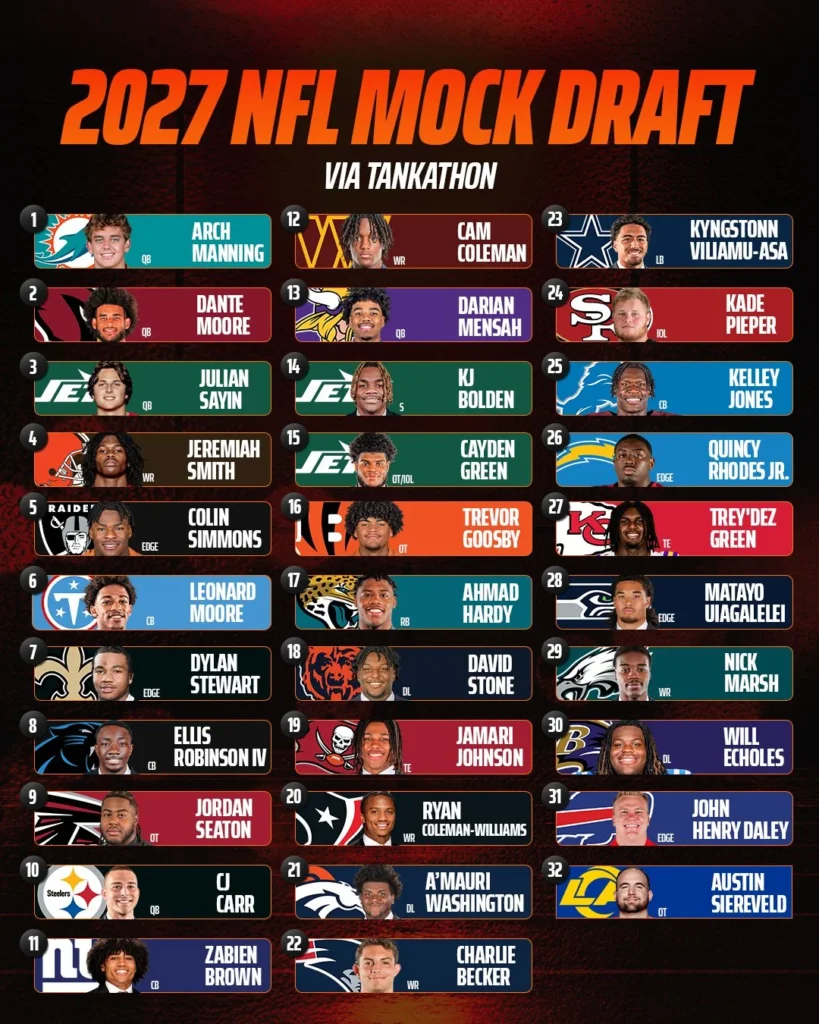
Several narratives could dominate conversations as the event approaches. Quarterback rankings will almost certainly generate debate among analysts, fans, and front offices.
Another major storyline involves the rise of under-the-radar prospects. Every year, players emerge from relative obscurity to become household names. The next few season will undoubtedly produce similar surprises.
Defensive talent may also become a defining characteristic of the class. If current trends continue, teams could find exceptional pass rushers and defensive backs throughout multiple rounds.
Additionally, the relationship between NIL opportunities and draft decisions will remain a topic of discussion. Some athletes may choose to stay in school longer, creating unique evaluation scenarios for scouts.
The continued growth of analytics will also influence the process. Teams increasingly combine traditional scouting methods with advanced data models. Consequently, draft boards may look different than they did even a decade ago.
While projections will change repeatedly over the next several years, excitement surrounding this class continues to build. Fans, scouts, and executives all recognize the potential for a memorable group of prospects.
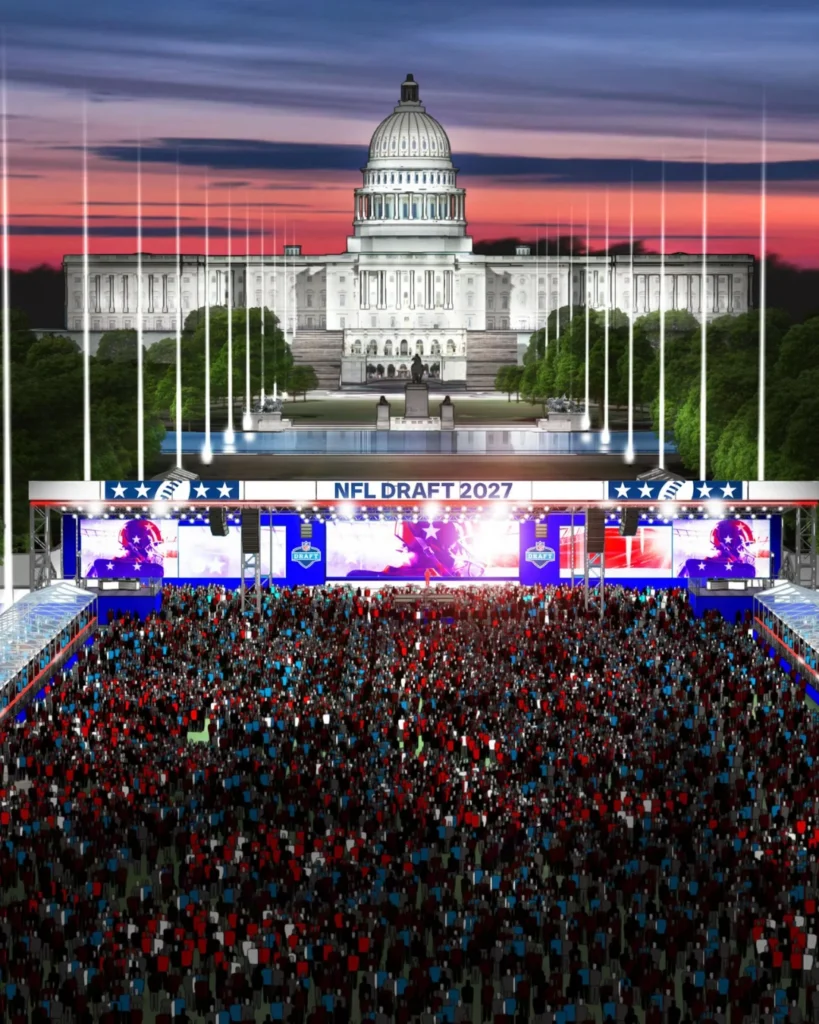
The 2027 NFL Draft represents far more than a single weekend event. It marks the culmination of years of development, evaluation, and preparation. Although many questions remain unanswered, the early outlook suggests a talented and diverse class capable of producing future stars across the league.
As college football seasons unfold, rankings will evolve and new names will emerge. Nevertheless, the foundation is already in place for one of the most compelling draft cycles in recent memory. For football fans eager to follow the next generation of NFL talent, the journey toward the 2027 NFL Draft has already begun.
Frequently Asked Questions
When will the 2027 NFL Draft take place?
The league has not finalized every detail, but the event is expected to occur during spring 2027 following the completion of the 2026 college football season.
Which position appears strongest in the upcoming class?
Early evaluations suggest quarterback, edge rusher, and cornerback could be among the deepest position groups.
Can current rankings change before the draft?
Yes. Player development, injuries, transfers, and on-field performance can dramatically alter draft projections.
Why are analysts discussing prospects years in advance?
Modern scouting begins early because recruiting rankings, advanced statistics, and film analysis provide valuable insights into future professional potential.
