
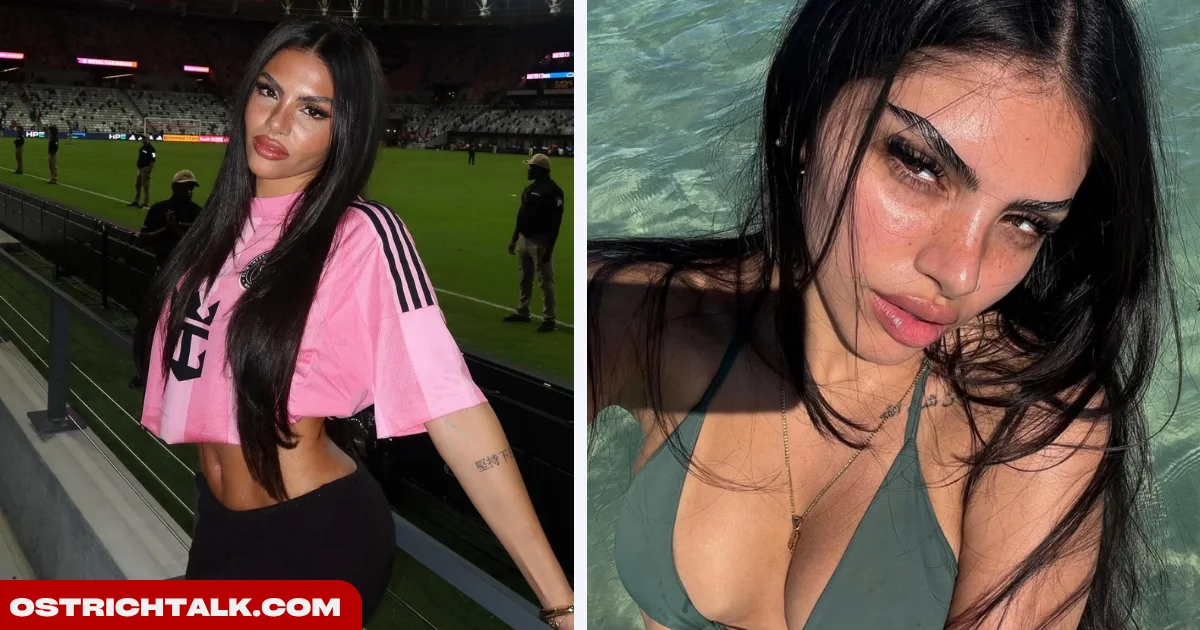
She walked into the Love Island USA villa in June 2025 and immediately became one of the most searched names of the summer. But it was not just the drama, the tears, or the now-legendary “Mamacita” moment that kept viewers searching. Millions of people wanted to understand who Huda Mustafa actually was, where she came from, and what shaped the woman they were watching on screen. The answer begins with her heritage, and it says a great deal about the moment American reality television finds itself in.
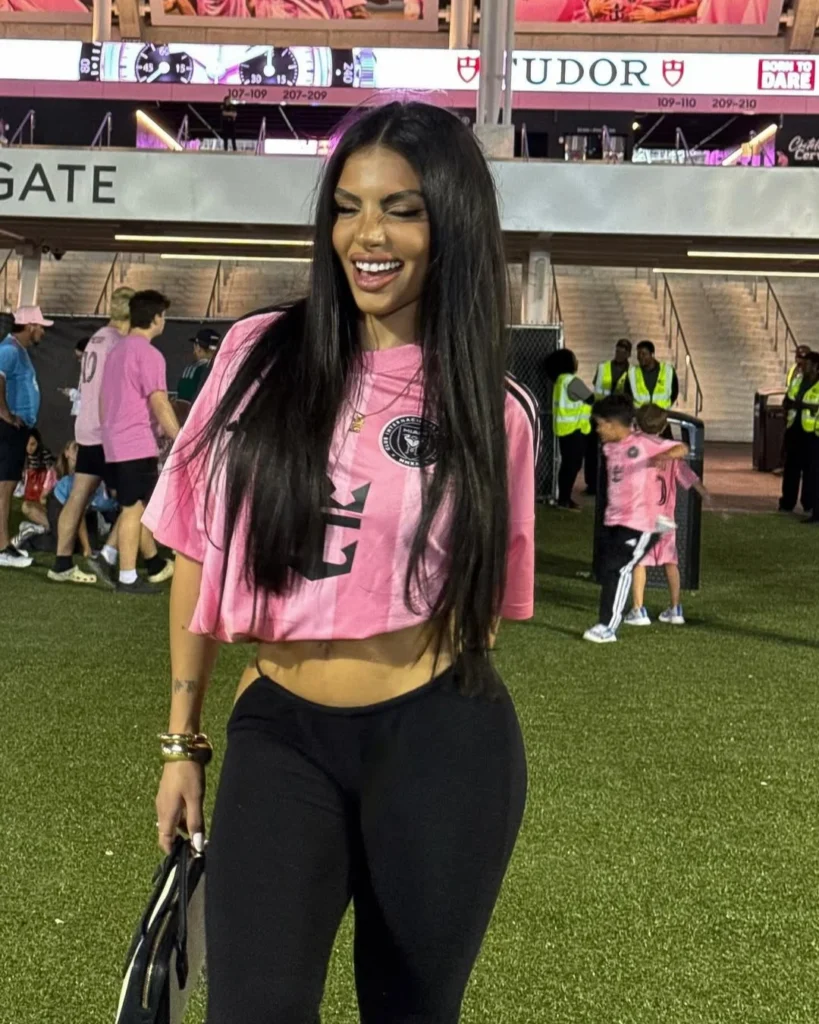
Who Is Huda Mustafa? A Quick Profile Before the Deep Dive
Huda Mustafa is a fitness coach, social media influencer, and reality TV personality from Raleigh, North Carolina. She became widely known in 2025 after appearing on Season 7 of Love Island USA, where her confident personality and emotional honesty made her stand out. She entered the villa as a single mother and quickly formed connections that kept viewers engaged throughout the season.
Before stepping into fitness and television, Huda worked as a freelance makeup artist, catering to local weddings and events. She later transitioned into fitness coaching, launching an online fitness brand that emphasizes confidence, strength, and balance. That career trajectory, from creative freelancer to wellness entrepreneur to national television personality, reflects a drive that her cultural upbringing clearly helped shape.
The table below captures the key facts about Huda Mustafa at a glance.
| Detail | Information |
|---|---|
| Full Name | Huda Mustafa |
| Date of Birth | August 30, 2000 |
| Birthplace | Raleigh, North Carolina |
| Ethnicity | Palestinian-American |
| Nationality | American |
| Career | Fitness coach, social media influencer, reality TV personality |
| Television | Love Island USA Season 7 (2025, Peacock) |
| Children | One daughter, Arleigh (born July 2020) |
| TikTok Following | 6 million+ (@hudabubbaaa) |
| Season 7 Finish | Third place, paired with Chris Seeley |
Huda Love Island Ethnicity: Palestinian Roots, American Identity
Huda Mustafa is of Palestinian descent. She holds American nationality, having been born and raised in Raleigh, North Carolina. Her family background is rooted in Arab-American heritage, with her parents having migrated to the United States and acquired citizenship before she was born.
Her father worked as a businessman and her mother as a teacher. She has showcased her cultural roots publicly through Arabic-phrase tattoos and Palestinian flag emojis in her social media bios. Those are not incidental details. They are deliberate choices made by someone who understands what visibility means, and who has chosen to use hers with intention.
Huda has stated publicly that she was raised Muslim, but she does not identify strictly with any one religion, noting that she also appreciates certain aspects of Christianity. That nuanced approach to faith, taking what resonates personally rather than adhering rigidly to inherited labels, reflects the broader experience of many second-generation immigrants navigating identity between two cultures.
What Palestinian-American Identity Actually Means
Being Palestinian-American is a specific and layered experience that goes beyond geographic origin. Her background reflects the reality of many second-generation immigrants who balance family traditions with modern American life. Palestinian culture has a rich history connected to the Middle East, and families of Palestinian origin often maintain strong connections to their heritage through language, food, traditions, and family values.
Growing Up Palestinian-American in Raleigh, North Carolina
Huda Mustafa was born on August 30, 2000, and raised in a close Palestinian-American household that valued culture, faith, and family above all else. Her teen years were not easy. She battled an eating disorder and faced emotional challenges after losing contact with her father around age 16. Despite those hurdles, her mother’s strength and love became her biggest source of motivation. Sports and fitness became her emotional outlet and healing space, giving her both discipline and drive.
That context matters when interpreting her behavior on Love Island USA. Less than a week after the Season 7 finale, Huda sat down for an interview with podcaster Alex Cooper on the July 16, 2025 episode of Call Her Daddy.
How Her Ethnicity Played Out Inside the Villa
Huda did not deliver a formal breakdown of her ethnic background on Love Island USA, but her Palestinian identity became a talking point among viewers nonetheless. Some of the male contestants in the villa appeared to assume she was Latina rather than Middle Eastern, a misidentification that generated significant discussion online. The now-viral moment in which one contestant responded to her announcing she was a mother with the word “Mamacita” was widely interpreted as a sign that her Arab-American background had been misread.
Several viewers noted that the reaction reflected a broader pattern in which Middle Eastern women are misidentified or flattened into more familiar Western cultural categories. Huda, for her part, has never shied away from representing her roots. Her Arabic tattoos, her social media presence, and her public interviews all reflect someone who is clear and comfortable about where she comes from.
The moment highlighted something important about how Arab-American identity is perceived in mainstream Western entertainment spaces. It is frequently misread, exoticized, or reduced to surface-level assumptions. Huda’s presence in the villa, confidently Palestinian and openly navigating dating and motherhood on national television, disrupted those patterns whether she framed it as a political statement or not.

From Fitness Influencer to National Conversation
Before entering the villa, Huda had already built a substantial platform as a fitness influencer and online coach. Her Instagram account had over 1.2 million followers during Season 7, where she shared workout routines, gym tips, and everyday life as a single mother balancing career and parenting. She runs her own fitness coaching business, advising clients on nutrition, workouts, and personal wellness.
On TikTok, she had accumulated over 6 million followers under the handle @hudabubbaaa, sharing fitness content, motivational posts, and candid glimpses of single motherhood. That platform was already substantial before Love Island USA, which means the show amplified an existing brand rather than creating one from scratch. Her post-show growth was consequently built on a foundation that her audience already trusted and engaged with regularly.
Her fitness content is directly connected to her personal history. Having overcome an eating disorder in her teenage years, her approach to wellness is grounded in recovery and self-acceptance rather than purely aesthetic goals. That authenticity resonates with an audience that has grown deeply skeptical of performative wellness content. Furthermore, it gives her brand a depth that most overnight reality television personalities simply do not have.
Motherhood, Identity, and What She Brought to the Show
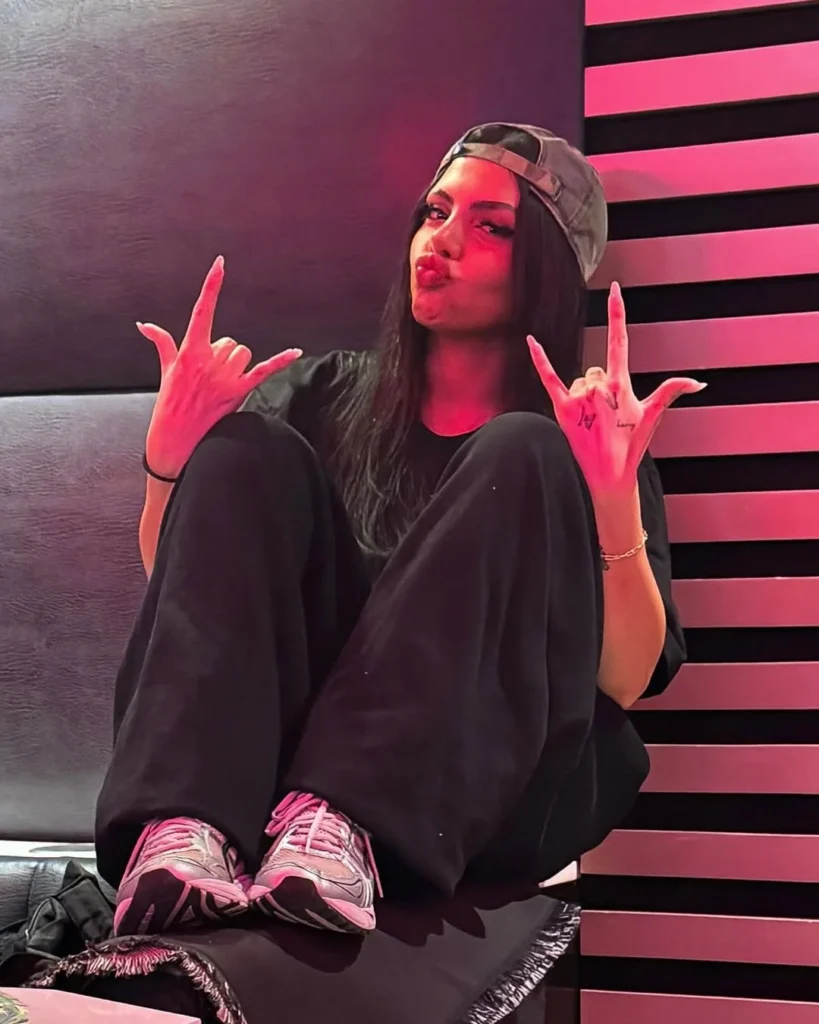
Huda Mustafa has one daughter, Arleigh, who turned 5 in July 2025. Arleigh was born in July 2020 with her ex-boyfriend Noah Sheline, a U.S. Army combat engineer who shares custody. Huda revealed her status as a mother directly on the show, telling the other islanders: “I’m a mummy. She’s 4. I’ve been a single mum for like four years now. I’ve never introduced a man to my kid. No man has met the standards.”
Many praised her honesty. Others debated whether reality television was the right setting for those conversations.
She ultimately finished in third place with partner Chris Seeley.
Arab-American Representation in Reality TV
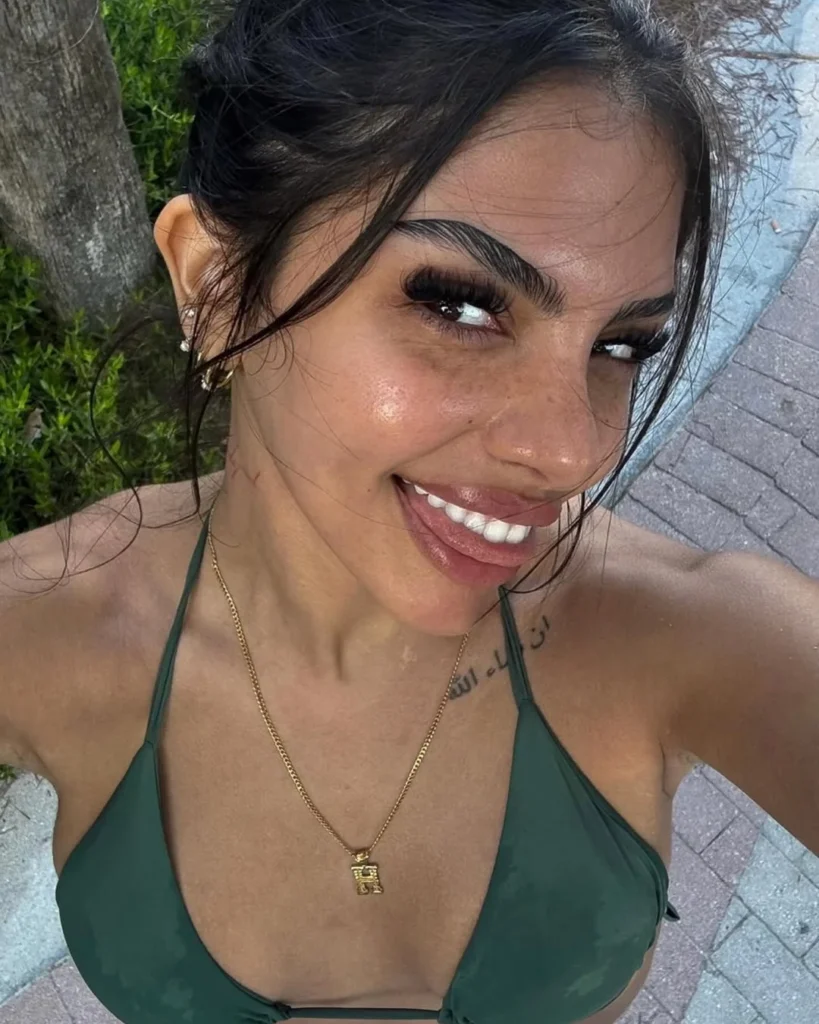
She proudly embraces her Palestinian-American heritage and uses her platform to inspire others with her story of resilience and self-love. That framing is deliberate. She is not simply a contestant who happens to be of Palestinian descent.
Frequently Asked Questions
What is Huda from Love Island’s ethnicity?
Huda Mustafa is of Palestinian descent.
Was Huda from Love Island raised Muslim?
She has noted that she also appreciates certain aspects of Christianity and approaches faith on her own personal terms.
Where was Huda from Love Island born?
Huda Mustafa was born on August 30, 2000, in Raleigh, North Carolina.
How does Huda show her Palestinian heritage publicly?
She incorporates Arabic-phrase tattoos, displays Palestinian flag emojis in her social media bios, and has spoken openly in interviews about her Arab-American upbringing and the cultural values her family instilled in her from a young age.
